
Preventing Falls at Home Essential Safety Tips for Elderly Care
Simple Home Modifications Can Significantly Reduce the Risk of Accidents for Seniors Living Independently
Falls among elderly individuals represent one of the most serious yet preventable home hazards, often leading to fractures or long-term mobility issues. For families providing home care, understanding environmental risks transforms ordinary living spaces into safer havens where seniors maintain independence without constant supervision. Beyond the immediate physical consequences, a single fall can trigger anxiety that diminishes quality of life, making proactive measures crucial for both physical and emotional well-being. This awareness empowers caregivers to see homes through new lenses, identifying invisible dangers before accidents occur.
Lighting adjustments form the foundation of fall prevention strategies. Shadows in hallways or dim staircases create optical illusions that confuse depth perception, especially for those with declining eyesight. Installing motion-sensor night lights along pathways between bedrooms and bathrooms prevents midnight disorientation, while replacing low-wattage bulbs with bright LED fixtures eliminates dark corners. Strategic placement matters just as much as brightness; lamps near armchairs or reading nooks ensure smooth transitions between sitting and standing positions.
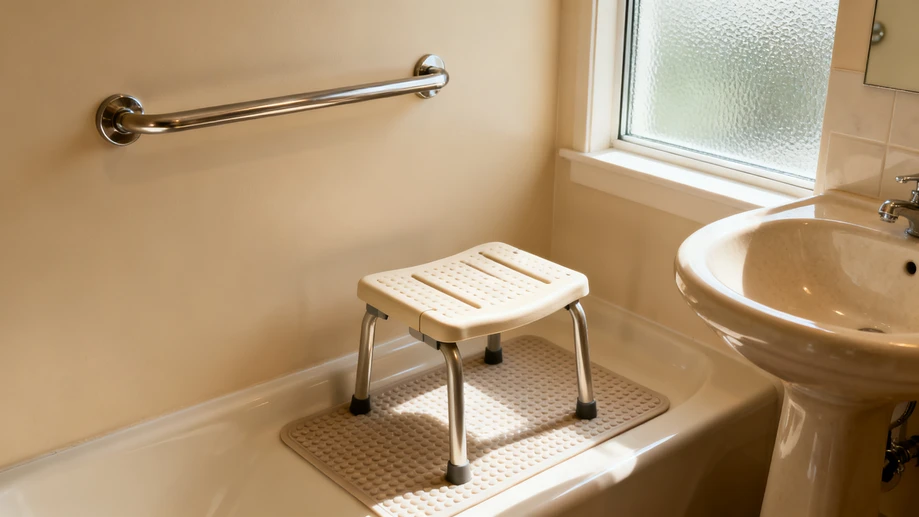
Flooring hazards require meticulous attention, particularly slippery surfaces like polished tiles or wooden floors that become treacherous when wet. Securing loose rugs with double-sided tape or rubber backings prevents unexpected slides, and replacing high-pile carpets with low-profile options reduces tripping risks. Bathrooms deserve special focus: non-slip mats inside showers and textured adhesive strips on bathtub floors provide grip during vulnerable moments. Even small changes—like relocating electrical cords away from walkways—contribute significantly to creating obstacle-free zones.
Support infrastructure like grab bars offers immediate physical assistance where balance often falters. Contrary to common belief, these aids need not resemble clinical equipment; modern designs integrate seamlessly into bathrooms as decorative towel racks or near beds as discreet bed handles. Proper installation into wall studs ensures they withstand body weight during sudden stumbles, and positioning them vertically or horizontally according to the user's natural movement patterns maximizes effectiveness.
Regular reassessment remains vital as needs evolve. A quarterly home walk-through—preferably alongside the senior—helps spot emerging threats like clutter accumulation or deteriorating stair railings. Seasonal adjustments also matter: winter demands ice-melt solutions for entryways, while summer requires checking outdoor pathways for cracks. This continuous improvement cycle reinforces safety culture within households through simple habitual actions.
Ultimately, transforming homes into protective environments builds confidence that allows seniors to thrive autonomously. Small investments in prevention yield immeasurable returns in dignity and longevity, turning everyday spaces into guardians of well-being.