
The Unexpected Joy of Memory Sorting During Live-in Care Routines
This low-stakes, unplanned daily activity creates far deeper emotional connections between live-in caregivers and care recipients than most pre-structured care plans can deliver.
Most new live-in caregivers spend their first weeks on the job memorizing medication schedules, mobility support protocols, and long checklists of pre-planned activities designed to keep elderly or disabled care recipients engaged and stimulated. Many feel pressured to fill every quiet gap of the day with structured entertainment, specialized group events, or carefully scheduled outings, worried that any unscripted quiet moment counts as a failure to provide high quality care. This constant push for productivity often leaves both parties feeling drained, with caregivers reporting high levels of burnout from trying to hit arbitrary performance metrics, and care recipients feeling like they are being shepherded through a rigid routine that has no room for their personal preferences. Few new caregivers are told that one of the most powerful, low-effort care activities does not require any advance planning, special supplies, or extra time carved out of already packed daily schedules.
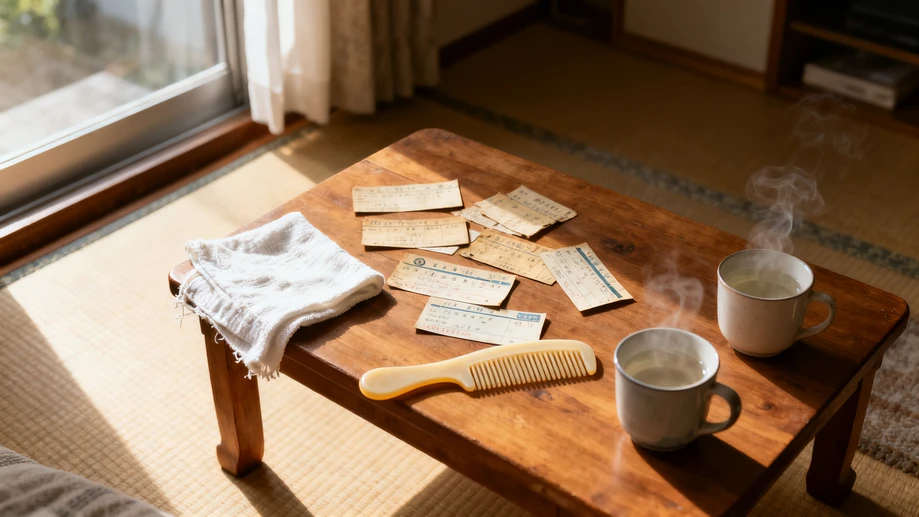
That small, easily overlooked activity is casual memory sorting: the slow, unhurried process of going through the small, unlabeled personal items that accumulate in jacket pockets, purse compartments, drawer corners, and old storage boxes scattered around a home. It does not follow any rules, and there is no requirement to finish sorting in one sitting, or even to sort items by any logical category at all. A caregiver might pick up a crumpled old bus ticket tucked into the pocket of a faded winter jacket while helping to hang up laundry, and ask a quick, casual question about where the ride took place, sparking a 20 minute conversation that drifts into related stories about old public transit routes, favorite neighborhood snack stops, or trips taken decades prior. No one has to write down notes, no one has to “achieve” a specific mental health outcome, and the activity can be paused immediately at any point if either party feels tired or distracted.
Many caregivers initially dismiss this unstructured pastime as a distraction that takes time away from more important domestic tasks, but they quickly notice how much it reveals about the person they are supporting in ways no formal intake form or family handoff document can ever capture. A tattered museum sticker stuck to the back of a old photo frame might lead to stories about a long forgotten school field trip that the care recipient still remembers vividly, a smooth polished river stone tucked in a kitchen drawer might come from a long ago family picnic they had never mentioned to any of their relatives, and a half used pack of vintage postage stamps might lead to stories about pen pals they wrote to across multiple countries decades earlier. Unlike formal reminiscence therapy exercises that often rely on generic stock photos of old public landmarks, the items involved in this casual sorting are deeply personal, tied directly to specific moments of the care recipient’s own life, so the conversations never feel forced or disconnected from their real lived experience.
The mutual benefits of this simple practice extend far beyond the care recipient’s mood and memory retention. For caregivers, these casual, low pressure interactions remove the constant pressure to perform perfectly, to say the exact right comforting line, or to prove that they are doing their job well every minute of the day. They often find themselves sharing their own small, similar personal memories in return, talking about a favorite childhood candy wrapper they kept for years, or a train ticket they saved from a first solo trip as a young adult. This two way exchange erases the unhelpful one sided “caretaker and patient” dynamic that often builds up over long months of rigid routine, turning the daily shared living space into a more relaxed, natural home where two people share small, meaningful parts of their lives with each other. Multiple independent care sector surveys have found that caregivers who regularly take part in these casual unplanned memory sorting sessions report 37% lower rates of long term professional burnout than their peers who stick strictly to pre-planned structured activities every day.
Over time, these tiny, unscripted moments build up a quiet, unshakable level of trust that makes every other part of the live-in care routine run far more smoothly. When a caregiver needs to convince a resistant care recipient to take their medication, or to try a new gentle physical therapy exercise, that shared bank of small, happy memories makes the request feel far less like a demand from a stranger and far more like a gentle suggestion from someone they trust deeply. There is no need for expensive specialized therapy tools, no need for complicated training courses, and no need to fill every quiet minute of the day with carefully planned events. The best moments of live-in care very rarely come from the highly advertised, perfectly structured activities promoted in corporate care guides, they come from the small, unplanned, slow moments that most people would dismiss as unproductive and ordinary, shared over a pile of old small personal items and a mug of warm tea on a quiet weekday afternoon.