
How Natural Light Transforms Home Care Experiences for the Elderly
Discover the surprising science behind sunlight and its profound impact on wellbeing in caregiving environments
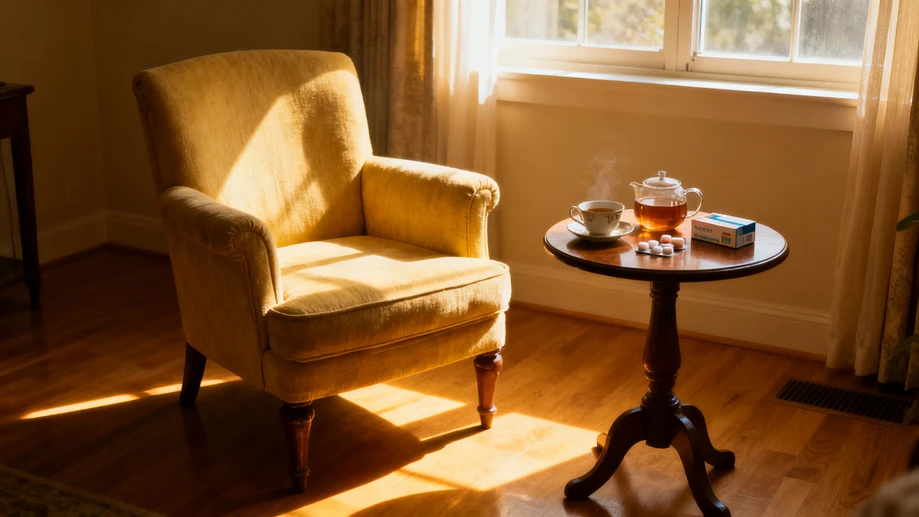
Imagine an elderly woman sitting by a sunlit window, her face gently warmed by morning rays as she sips tea. This simple scene holds transformative power in home care. Scientific research reveals that exposure to natural light regulates circadian rhythms, significantly improving sleep quality for seniors. A study published in the Journal of Clinical Sleep Medicine found that dementia patients exposed to bright morning light experienced 30% fewer nighttime awakenings. The magic lies in sunlight's ability to suppress melatonin production during daytime hours, creating a natural biological clock that promotes restorative sleep when darkness falls.
Beyond sleep regulation, natural illumination delivers measurable psychological benefits. Sunlight triggers vitamin D synthesis and stimulates serotonin production, often called the happiness hormone. Care recipients in well-lit spaces demonstrate reduced agitation and depression symptoms according to gerontology reports. South-facing windows become invaluable allies, particularly during winter months when seasonal affective disorder risks increase. Caregivers observing clients near sunny windows frequently note spontaneous improvements in mood and engagement, with one home care nurse describing how a previously withdrawn stroke patient began initiating conversations when relocated to a brighter room.
Strategic placement of seating areas maximizes these advantages. Positioning armchairs within three feet of east-facing windows captures gentle morning light ideal for breakfast routines, while west-facing nooks harness afternoon rays for stimulating activities. Sheer curtains diffuse harsh midday glare while preserving luminosity. Mirrors strategically placed opposite windows amplify daylight penetration, especially valuable in compact urban apartments. These adjustments require no structural changes yet dramatically enhance environmental quality. The subtle introduction of light-reflective surfaces like pale wooden side tables or satin-finish cushions further optimizes illumination distribution without overwhelming sensitive eyes.
Safety considerations remain paramount when modifying lighting environments. Contrasting dark-colored rugs against light floors prevents tripping hazards near bright windows where depth perception may falter. Automatic blackout curtains operated by voice commands or timers ensure darkness for uninterrupted sleep while eliminating cumbersome cord dangers. Light-filtering window films block ultraviolet rays that damage skin and furnishings while permitting beneficial visible spectrum light. These solutions demonstrate how thoughtful design harmonizes wellbeing with practical care requirements.
Implementing light-centric care extends beyond physical spaces into daily rhythms. Morning light exposure proves most effective for circadian alignment, suggesting breakfast near windows as optimal routine integration. Caregivers can transform mundane activities like medication management into light therapy sessions by conducting them in sunny spots. Even cloudy days provide sufficient illumination, with overcast daylight measuring 10,000 lux compared to 500 lux from typical indoor lighting. This approach represents cost-effective wellbeing enhancement, requiring neither expensive equipment nor medical intervention.
As populations age globally, such accessible innovations redefine quality care standards. The interplay between sunlight and human biology offers a compelling case for environmental design in home care. Simple adjustments harnessing natural elements often yield profound impacts, reminding us that sometimes the most powerful therapeutic tools shine freely through our windows every dawn.