
Simple Home Modifications That Transform Elderly Caregiving Environments
Discover how minor adjustments in household setups can significantly enhance safety and comfort during in-home caregiving situations
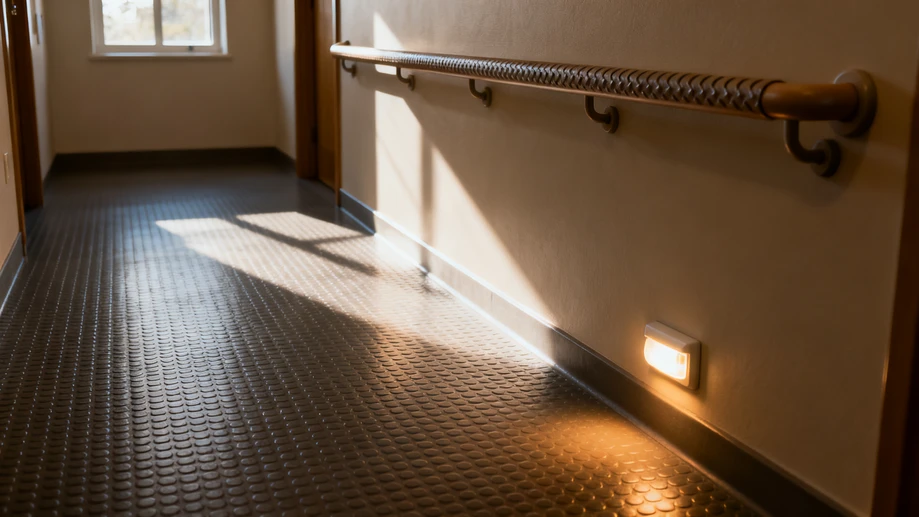
Many caregivers overlook the profound impact of environmental design on care quality. Lighting represents one of the simplest yet most effective modifications. Strategically placed lamps with motion sensors eliminate dark pathways between bedrooms and bathrooms. Nightlights embedded in baseboards provide gentle guidance without disrupting sleep cycles. Such illuminations prevent missteps while respecting circadian rhythms. Adjustable LED bulbs allow customization of brightness for different times and tasks.
Beyond illumination, flooring requires careful consideration. Throw rugs pose unexpected hazards that can lead to catastrophic falls. Non-slip vinyl flooring offers superior traction, especially in moisture-prone areas like kitchens and bathrooms. For existing tile floors, applying clear anti-slip coatings creates microscopic texture without altering appearance. These modifications dramatically reduce fall risks while maintaining aesthetic appeal.
Furniture arrangement deserves equal attention in care spaces. Creating clear pathways at least three feet wide allows smooth navigation for mobility devices. Lowering bed heights facilitates safer transfers, while chair arms provide crucial leverage points. Storage solutions placed at waist-level eliminate dangerous reaching or bending. An often-overlooked detail involves electrical cord management; securing wires against walls prevents entanglement accidents.
Bathroom configurations demand particular scrutiny due to wet surfaces and confined spaces. Installing grab bars near toilets and showers provides essential support points. Temperature-controlled faucets prevent scalding incidents, while walk-in showers with built-in seating accommodate varying mobility levels. Placement of frequently used items within easy reach avoids unnecessary stretching. Even towel rack positions impact safety when they double as support structures.
Contrast enhancement techniques aid those with diminishing eyesight. Dark switch plates against light walls create visual cues for electrical controls. Colored tape along stair edges defines elevation changes clearly. Cabinet handles in contrasting colors become instantly recognizable. Such subtle visual distinctions require minimal investment but yield substantial navigational benefits.
These environmental tweaks transform ordinary homes into supportive ecosystems. Removing physical barriers preserves independence while reducing caregiver strain. The cumulative effect of these modifications fosters dignity through empowerment. Thoughtful spatial design ultimately represents a silent yet indispensable partner in quality caregiving.