
Everyday Cotton Sock Trick That Simplifies Daily Joint Mobility Care At Home
This little known zero-cost home care tip helps family caregivers avoid accidental strain on both their loved ones and their own bodies during daily passive movement sessions.
Most people who first take on the role of primary caregiver for a family member with limited mobility, whether due to post-surgery recovery, chronic joint issues, or age-related reduced movement, run into the same frustrating problem. They know regular gentle movement of stiff, underused joints prevents painful contractures, reduces fluid buildup in the lower legs, and even lowers the risk of bed sores, but they almost always fumble through the process with no proper training. A lot of new caregivers end up pinching the thin, sensitive skin on their loved one’s ankles or wrists while trying to guide movement, or twist their own lower back in an awkward position to get a good grip on a heavy, limp limb, turning a short daily care task into a source of discomfort for everyone involved.
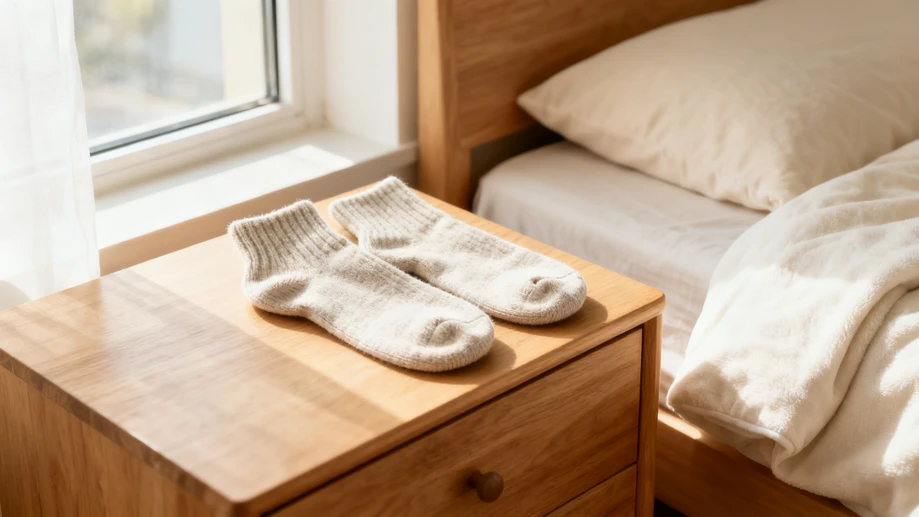
What very few home care guides mention is that you do not need expensive specialized rehabilitation straps, foam wedges, or certified training to solve this common issue. All you need is a single clean, thick pair of cotton socks, the exact kind most households already have stuffed in a dresser drawer, no extra purchase required. You do not even need a new pair, as long as the fabric is intact and free of rough seams, loose threads, or holes that could catch on skin. For caregivers working with people who have particularly swollen or large lower limbs, even an extra-long crew sock designed for winter wear works perfectly for the task.
The process of using this trick could not be more straightforward, and it eliminates almost every common mistake new caregivers make on their first attempts. All you do is slide the sock fully over the entire foot of the person receiving care, pulling it up far enough that the heel and the whole ankle area are completely covered by soft, stretchy fabric. Instead of digging your fingers into the bony edges of the ankle or the delicate skin on the top of the foot to get a firm grip, you simply hold onto the thick layers of the sock fabric at the toe and heel, and move the foot slowly through the full range of gentle motions recommended by their physical therapist. The fabric spreads the pressure of your grip evenly across the whole surface of the foot, so there are no sharp points of pressure that leave red marks or cause unexpected pain.
Many family caregivers who have tested this trick report that it cuts the time they spend completing lower body passive movement sessions by more than half, with no extra effort or risk of injury. Before they learned the method, many needed a second person to help reposition the patient or hold the limb steady while they worked through each joint movement, and the whole routine could take 20 minutes or longer to finish. With the sock providing a secure, non-slip grip, a single caregiver can support the entire weight of a limp lower limb without hunching or twisting their spine to get a better hold, reducing the risk of common caregiver injuries like lower back sprains or wrist strains. Over the course of a few weeks of consistent daily use, most users also notice a clear reduction in mild ankle edema, as the smooth guided movements encourage better circulation without adding extra friction to tender swollen tissue.
The best part of this tiny, under-discussed home care hack is that it has effectively zero learning curve, which makes it accessible even for caregivers who have no prior medical or caregiving experience at all. There is no complex formula to memorize, no special setup required, and no way to make a serious mistake that could harm the person receiving care. It also removes much of the unnecessary stress that comes with learning a new care task, because there is no fear of hurting a vulnerable loved one while trying to help them stay comfortable and healthy. What was once a tense, high-stakes daily task can turn into a calm, gentle moment that feels less like a medical chore and more like a quiet shared routine between two people who care about each other.