
The Little Known 15-Minute Hack That Makes Short-Term Home Care Far Less Stressful
This underrated practical tip for temporary domestic care providers cuts down hidden safety risks for vulnerable clients, without adding any unnecessary heavy workload to a packed shift.
Across most urban communities today, demand for short-term home care services has jumped at a steady rate over the past three years, as more families seek temporary support for recently discharged elderly patients, fill gaps when full-time live-in carers take planned leave, or get extra help for busy working households during recovery periods after minor illnesses. Most new short-term care providers walk into their first shifts assuming their core task is to scrub every surface, fold piles of laundry and keep the house perfectly spotless to meet their client’s expectations, and a huge number of them end up over-exhausted at the end of a shift, missing out far more urgent needs that could have prevented avoidable accidents. Many of these new providers even complain that they cannot finish all tasks listed on the service order on time, and end up receiving average or low feedback that damages their rating on local service platforms.
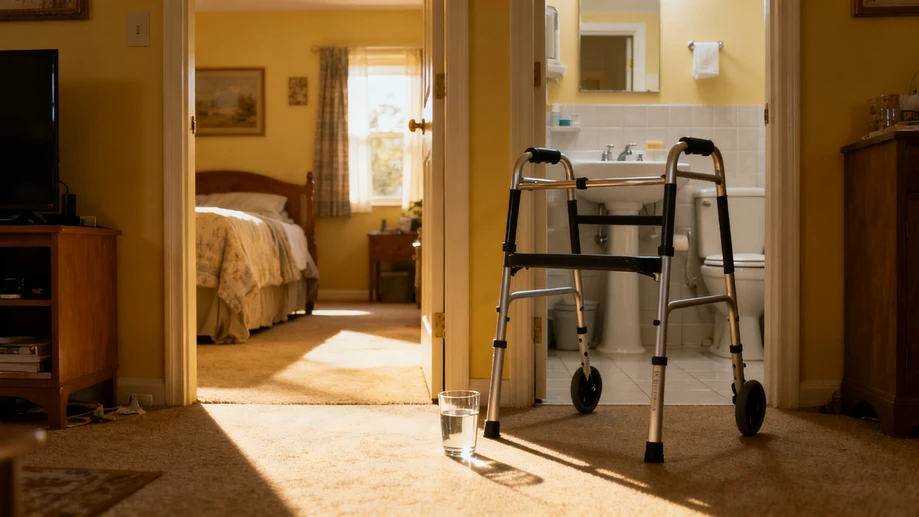
The 15-minute movement path tidy up trick that has gone viral among local care support groups over the past year requires no special cleaning supplies, no heavy furniture moving, and almost no extra physical effort, but it delivers results that far outperform hours of unnecessary deep cleaning. All the provider needs to do within the first 15 minutes of stepping into the home is follow the four most frequent routes the client uses every single day: from the front door to the living room sofa, from the sofa to the bathroom, from the bathroom to the bedroom, and from the bed to the kitchen counter where drinking water is stored. They only need to move scattered slippers out of the main path, smooth out curled edges of loose rugs, stack stray express parcels and old magazines that block the walkway into a quiet corner, and place the client’s walking aid, frequently used water cup, and emergency call device within arm’s reach along these routes, no extra rearranging of other rooms is required. The rest of their shift can then be dedicated to regular cleaning tasks and accompanying the client, rather than rushing back and forth to fix unexpected hazards mid-shift.
Local public health teams that ran a 6-month trial of this trick with over 400 short-term care shifts recorded that the rate of accidental trips and falls among elderly clients during care periods dropped by 62 percent compared to shifts where providers followed traditional full-house cleaning routines, and the care providers themselves reported 38 percent less unnecessary fatigue from running back and forth to fetch items the client needed in a hurry. Many providers who tested the trick noted that they did not waste 20 minutes running across the house to grab a senior’s reading glasses or cold medicine, because all high-frequency items were already placed along the main movement paths, leaving them more time to help the client stretch their muscles, share light casual conversations, or prepare warm meals without constant interruptions. This arrangement also makes it far easier for providers to keep an eye on the client’s movement state at all times, rather than having their view blocked by piles of clutter stacked next to the walkway.
A lot of new care providers initially push back against this routine, arguing that hiring families pay for full house cleaning services and will complain if the corners of less frequently used rooms are not dusted perfectly. But in reality, the vast majority of families that book short-term home care do not prioritize spotless hard-to-reach shelves over the safety of their vulnerable family member, and a clear, unblocked movement path is the first detail most family members notice within 10 seconds of stepping into the house when they come to check on their relative. Many providers have shared that families who previously gave average review scores left far more positive feedback after they noticed the thoughtful path arrangement, even if the windowsill in the spare bedroom was not wiped completely clean. The small, visible detail signals to family members that the care provider prioritizes the well-being of the person they are looking after, rather than just checking boxes on a service task list.
This tiny, zero-cost trick has spread quietly across short-term care circles in dozens of cities, and it has changed the way many new providers structure their entire shift schedules. It does not require years of professional care training to pull off, and it does not force providers to stretch their working hours past the agreed time limit, all it takes is a quick walk in the client’s shoes at the very start of the shift, to notice all the small hidden hazards that could turn a smooth care experience into a completely avoidable crisis. For anyone who has ever struggled to balance endless housework tasks and client safety during a short care shift, this 15 minute routine is easily the simplest, most high-impact change they could make.