
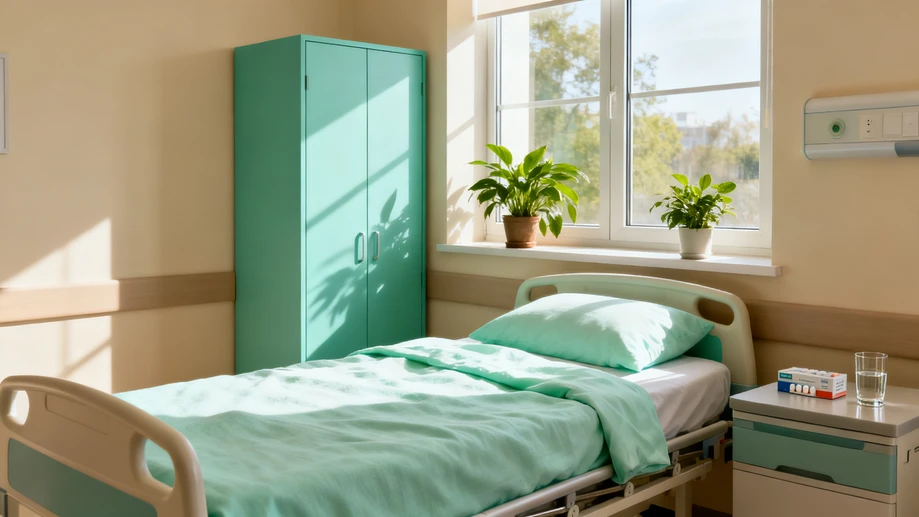
Color Choices Can Transform Home Care Experiences for the Better
Understanding how wall hues influence mood and recovery rates empowers caregivers to create optimal environments
Imagine walking into a room that instantly makes you feel calm and centered. This isn't magic but the science of color psychology at work, a subtle yet powerful tool often overlooked in home care settings. While caregivers meticulously focus on physical assistance and medication schedules, the visual environment plays a crucial role in emotional wellbeing. Research consistently shows that certain colors can lower blood pressure, reduce agitation in dementia patients, and even accelerate healing processes. The walls surrounding us act as silent therapists, their hues whispering messages to our subconscious. For those receiving long-term care at home, these chromatic influences accumulate daily, making intentional color selection far more than mere decoration.
Transitioning from theory to practice requires understanding basic color categories. Warm tones like soft peaches, buttery yellows, and earthy terracottas create welcoming atmospheres that combat loneliness. These shades stimulate conversation and appetite, making them ideal for communal spaces or dining areas. Conversely, cool blues and greens evoke tranquility and are particularly effective in bedrooms for those struggling with insomnia or anxiety. A study published in the Journal of Environmental Psychology demonstrated that patients in blue-toned rooms required significantly less pain medication post-surgery than those in white rooms. The key lies in muted, natural variations rather than intense primaries, which can overstimulate sensitive individuals.
Beyond general principles, personalized adjustments yield remarkable results. Consider how lighting conditions alter color perception throughout the day. A pale lavender that soothes in morning light might appear gloomy under evening lamps. Professional caregivers often observe clients' reactions to different hues in various settings, noting increased relaxation or unexpected agitation. For dementia patients, high-contrast color schemes help with spatial orientation—painting doors a different color than walls reduces confusion. Bathrooms benefit from spa-like seafoam greens that mask unappealing elements while promoting dignity. Even temporary solutions like removable wall films allow experimentation without commitment, adapting to changing health needs.
Implementing these insights needn't be expensive or complicated. Start with accent walls in frequently used rooms rather than full renovations. Introduce color through easily changeable elements like throw blankets, curtains, or artwork. Observe how natural light interacts with pigments; north-facing rooms gain warmth from creamy tones while south-facing spaces stay balanced with cooler accents. Avoid stark whites in medical supply areas by using soft gray storage cabinets that reduce clinical sterility. The most successful transformations occur when caregivers involve care recipients in selecting palettes, empowering them through choice. A stroke survivor selecting mint green bedsheets experiences both aesthetic pleasure and therapeutic benefit.
Ultimately, thoughtful color integration represents a low-cost, high-impact strategy in home care. It transcends superficial aesthetics to influence circadian rhythms, emotional states, and even physical recovery markers. As caregivers increasingly recognize environmental factors as extensions of their support, color psychology emerges as an essential skill. The next time you enter a care recipient's space, notice not just the equipment and medications, but the silent language of the walls. That carefully chosen buttermilk yellow in the breakfast nook might be doing as much for their spirit as the morning vitamins.