
Lighting the Way to Comfort for Aging Eyes at Home
Discovering how thoughtful home lighting choices enhance safety, mood, and independence for seniors beyond basic illumination needs.
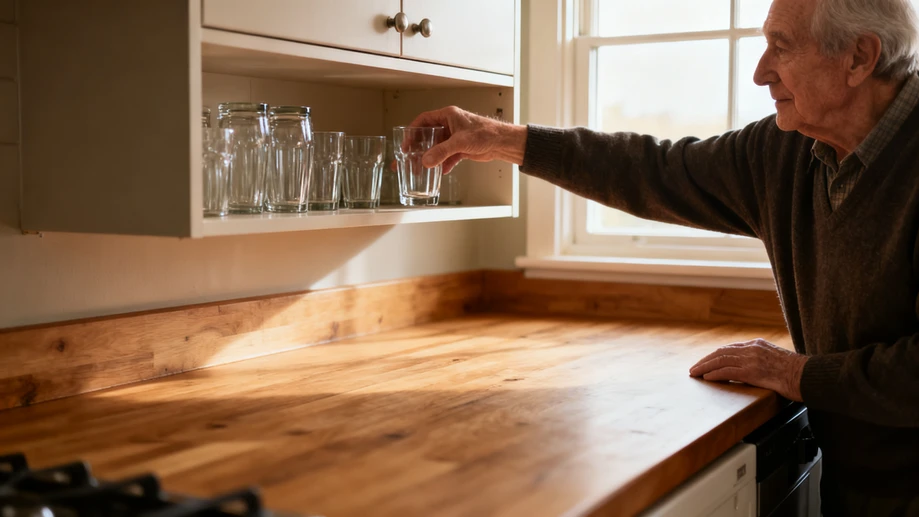
Imagine Mrs. Davies shuffling carefully from her softly lit living room towards the darker kitchen doorway late one evening, aiming for a glass of water. While safety concerns about falls are often the first thing we associate with lighting for seniors, the impact of proper illumination stretches far deeper, influencing mood, cognitive function, and a profound sense of control over their environment. It's not merely about seeing where one is going; it's about creating a space that feels welcoming, supportive, and fundamentally easier to navigate, fostering a sense of calm and independence that brightens more than just the physical space.
Scientific understanding reveals how aging eyes process light differently. The lens yellows and thickens, scattering light and reducing contrast sensitivity. Pupils shrink and react slower, meaning seniors need significantly more light – often two to four times more than younger adults – to see details clearly and perceive depth accurately. Furthermore, the retina's light-sensitive cells become less efficient, particularly affecting the perception of blue light wavelengths, which are crucial for regulating the body's internal clock or circadian rhythm. This explains why poorly lit spaces feel not just dim, but actively disorienting and potentially hazardous. Mastering the nuances of lighting becomes a powerful tool in crafting a truly supportive home environment.
While adding overall ambient brightness is essential, strategic layering is the key to unlocking true comfort and functionality. Task lighting, such as under-cabinet lights in the kitchen illuminating countertops, or a focused lamp near a favorite reading chair, provides the intense, glare-free light needed for close work. Ambient lighting provides the general room illumination, avoiding harsh overhead lights that can cause discomfort and shadows. Accent lighting can highlight pathways, like along a hallway floor or stairs, or frame doorways, offering subtle visual cues for navigation. The strategic placement of these layers eliminates pools of darkness and creates a visually coherent space. Equally important is eliminating glare, a major source of visual stress. This involves careful positioning of light sources away from direct lines of sight, using shades or diffusers, and opting for matte finishes on surfaces.
Furthermore, the color temperature of light bulbs plays a surprisingly significant, yet often overlooked, role. Cool white light (higher Kelvin ratings, e.g., 5000K+) can appear harsh and clinical, potentially inhibiting relaxation and disrupting melatonin production, especially in the evenings. Conversely, warmer white light (lower Kelvin ratings, e.g., 2700K-3000K) creates a more inviting, cozy atmosphere akin to incandescent bulbs, which is generally preferable for living spaces and bedrooms. However, areas requiring sharp focus, like a workshop or sewing station, might benefit slightly from a neutral white (around 4000K). Thoughtful choices here can significantly influence mood and comfort throughout the day. Dimmable fixtures offer the flexibility to adjust brightness levels easily, accommodating changing needs and times of day.
Investing in well-considered home lighting is an investment in dignity, confidence, and joy. When an older adult can effortlessly find their favorite book, prepare a meal without straining, or navigate to the bathroom safely at night without waking the whole house with bright overhead lights, a profound sense of autonomy is preserved. The gentle wash of warm light on familiar objects transforms a house into a haven, reducing anxiety and fatigue. It supports cognitive function by making information – whether it's the label on a medicine bottle, the numbers on a remote control, or the expression on a visitor's face – easier to process. This thoughtful approach transcends mere physical safety; it nurtures emotional well-being and reinforces the feeling that home is truly a sanctuary designed for *their* comfort and ease.
Creating an optimal lighting environment requires attention to the unique interplay between natural aging processes and the home space. Pay particular attention to critical transition zones – hallways leading to bathrooms, staircases, and entries to kitchens. Leveraging natural light during the day through clean windows and strategic use of reflective surfaces (like light-colored walls) is invaluable, providing free, high-quality illumination that supports circadian rhythms. Simple, affordable solutions like plug-in motion sensor nightlights for bathrooms and hallways, or adhesive LED strip lights along stair treads or under handrails, can dramatically improve safety and convenience. The goal isn't clinical perfection, but rather designing a luminous space that feels effortlessly supportive, allowing the golden years to be illuminated by comfort, safety, and a deep sense of belonging within the familiar walls of home, where every corner feels secure and every space warmly inviting.