
Keeping Home Safe for Seniors Is More Than Just Preventing Falls
Discover the hidden dangers in elderly homes and how professional caregivers create secure environments
Imagine an ordinary Tuesday morning where sunlight streams through lace curtains as an elderly woman prepares her tea. This tranquil domestic scene conceals numerous invisible hazards that could disrupt lives in seconds. While most associate home care with preventing catastrophic falls, true home safety involves vigilance against dozens of overlooked threats. Unstable rugs, electrical cords snaking across walkways, and expired medications in bathroom cabinets form a complex web of risks that require specialized knowledge to untangle.
Professional caregivers bring forensic eyes to home environments, scanning for dangers residents might normalize over decades. Consider the kitchen: that charming vintage step-stool becomes a tipping hazard, while the microwave's position above eye level invites scalding spills during food retrieval. Caregivers document subtle changes like weakened cabinet door hinges or a refrigerator handle requiring extra pressure. These seemingly minor observations form critical data points for building personalized safety protocols far beyond generic fall-prevention checklists.
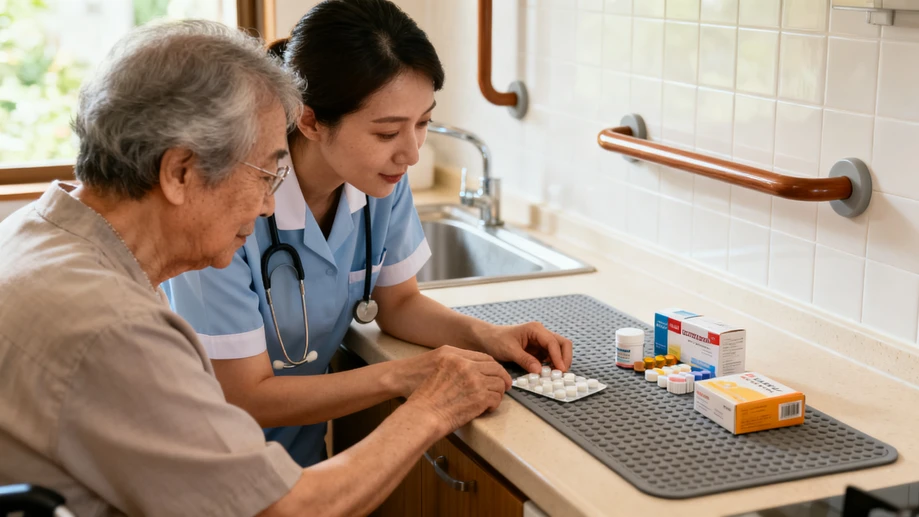
What surprises many families is how caregivers use routine activities as covert safety inspections. Assistance with morning medication involves verifying dose accuracy and expiration dates while discreetly noting clutter around the bedside. Helping with laundry allows observation of bending mobility and assessment of stairway lighting. This continuous monitoring builds prevention strategies rooted in actual daily behaviors rather than theoretical scenarios, adapting interventions as physical abilities evolve season by season.
The psychological dimension of safety proves equally vital. An elderly gentleman might resist removing his beloved Persian rug despite its trip potential. Skilled caregivers navigate such emotional attachments through collaborative problem-solving, perhaps suggesting non-slip rug pads or relocation to a lower-traffic area. This respect for personal history transforms safety upgrades from invasive disruptions into empowering partnerships that preserve identity while modernizing protections.
Technology integration now offers unprecedented safeguards discreetly woven into domestic life. Motion sensors tracking nighttime bathroom trips establish baseline patterns to detect health deterioration. Automated medication dispensers with gentle alerts prevent double-dosing without infantilizing users. Behind these systems stand caregivers who interpret data within human context - distinguishing between a harmless midnight snack routine versus confusion indicating urgent medical intervention.
Proactive home safety ultimately creates freedom through structure. When seniors trust their environment, they maintain independence longer. Well-placed grab bars transform feared bathrooms into secure spaces; voice-activated lighting eliminates dangerous fumbling for switches. Each modification builds confidence, encouraging physical activity that sustains mobility and cognitive function. This preventive approach reduces emergency hospitalizations dramatically, allowing families to refocus energy from crisis management to genuine connection.