
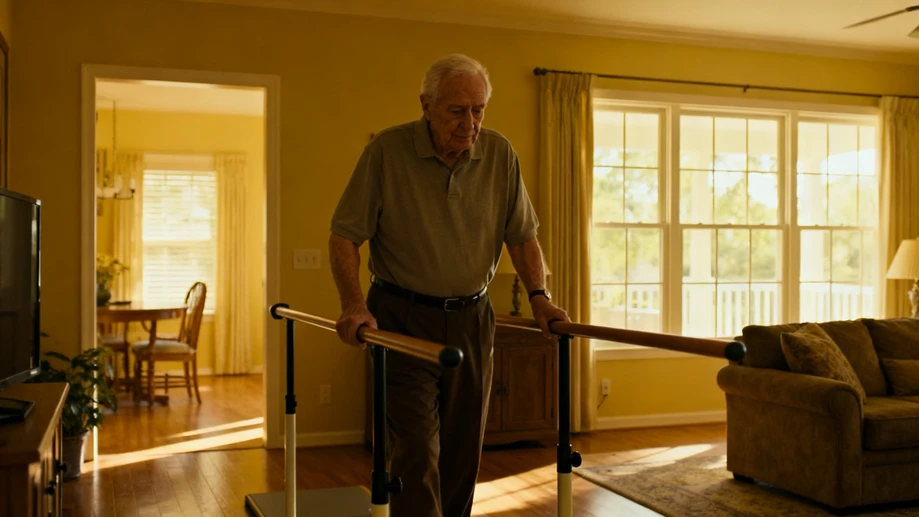
Preventing Falls at Home Empowers Senior Independence and Confidence
Exploring simple home modifications that reduce risks and enhance safety for aging individuals living independently.
As we age, the comfort of home becomes a sanctuary, yet it can harbor hidden dangers that threaten independence. Imagine an elderly person navigating daily life with ease, only to face the startling reality that falls are a leading cause of injury among seniors. This issue isn't just about physical harm; it erodes confidence and can lead to social isolation. However, the good news is that proactive steps can transform any living space into a secure haven. By addressing this common challenge, families and caregivers can foster an environment where seniors thrive, reducing hospital visits and preserving dignity. Starting with awareness, we delve into why home safety is crucial for the golden years.
Falls often stem from seemingly minor hazards, such as slippery floors, loose rugs, or poor lighting, which accumulate into significant risks. Statistics show that one in four older adults experiences a fall each year, resulting in fractures, head injuries, and sometimes long-term disability. This isn't merely a personal ordeal; it impacts healthcare systems and emotional well-being, often triggering a cycle of fear that limits mobility. For instance, many seniors avoid activities like walking or cooking due to anxiety, accelerating decline in both physical and mental health. Yet, understanding the root causes empowers us to tackle them head-on, turning vulnerability into strength through practical solutions.
One simple yet effective measure is to install grab bars in high-risk areas like bathrooms and hallways, which provide instant support without extensive renovations. This small knowledge, backed by research, can reduce fall incidents by up to 30%—just ensure all bars are securely mounted at waist height for maximum stability during transfers. Beyond bars, other affordable adjustments include clearing clutter, adding non-slip mats to wet surfaces, and enhancing lighting with motion-sensor bulbs. Furthermore, consulting occupational therapists for personalized assessments ensures tailored adaptations that fit individual needs. By integrating these strategies, seniors gain not only safety but also renewed autonomy, making daily routines smoother and more enjoyable.
Implementing these changes yields profound benefits, such as improved mental health and stronger family bonds. When homes are safer, seniors report higher self-esteem and a greater sense of control, encouraging them to engage in social activities or hobbies. This ripple effect extends to caregivers, who experience less stress and more quality time with loved ones. Real-life examples abound, like communities where shared resources like safety workshops have led to measurable declines in fall-related emergencies. Ultimately, this approach transforms care from reactive to proactive, emphasizing prevention over cure and highlighting how small investments in home safety pay lifelong dividends in happiness and health.
In conclusion, prioritizing fall prevention is a powerful step toward empowering seniors to live independently and joyfully. It requires minimal effort but offers maximum impact, from installing simple aids to fostering a culture of vigilance. By embracing these practices, we not only safeguard physical well-being but also nurture emotional resilience, ensuring that the later years are filled with confidence and connection. Let this inspire action—start today with one small change, and watch as it builds a foundation for a safer, more vibrant future for all aging individuals.