
Simple Home Modifications Can Prevent Elderly Falls and Save Lives
Exploring easy and affordable ways to make homes safer for seniors to reduce the risk of dangerous falls
Falls rank among the most devastating threats to elderly independence, often triggering irreversible health declines. Each year, millions of seniors experience tumbles at home where they feel most secure, resulting in fractures, head traumas, or long-term mobility limitations. The psychological aftermath proves equally damaging, as fear of falling creates self-imposed activity restrictions that accelerate muscle weakness and social isolation. Recognizing this silent epidemic transforms home safety from passive concern to urgent priority.
Remarkably, many fall hazards stem from overlooked environmental factors rather than complex medical conditions. Slippery bathroom tiles, dimly lit staircases, and loose rugs become treacherous obstacles for aging bodies with slower reflexes. The solution lies not in expensive renovations but in strategic adjustments that align living spaces with natural physical changes. By viewing homes through preventative lenses, caregivers can identify subtle dangers before accidents occur.
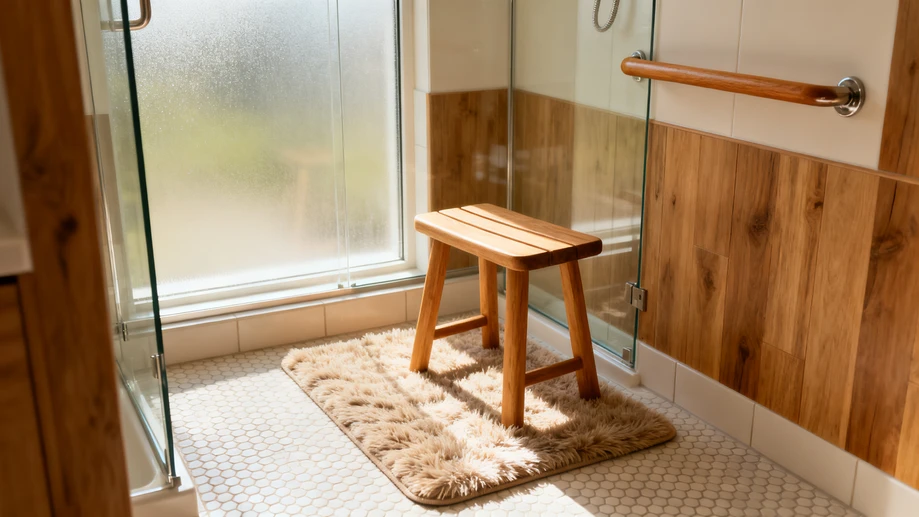
One transformative yet underutilized approach involves enhancing bathroom safety through targeted modifications. Installing grab bars near toilets and showers provides crucial stability points during vulnerable transitions. Non-slip mats replace slick surfaces while waterproof seating transforms standing showers into seated sanctuaries. Even simple adjustments like raising toilet seats reduce strain on weakening leg muscles. These interventions form a defensive triad: support, traction, and accessibility working in concert.
Beyond bathrooms, lighting upgrades serve as powerful deterrents against nighttime mishaps. Motion-activated nightlights illuminate pathways between bedrooms and bathrooms without disrupting sleep cycles. Increasing bulb wattage in hallways counters age-related vision decline, while glare-free lamps prevent disorientation. Such improvements address the dual challenge of impaired depth perception and slower adjustment to darkness that frequently contribute to stumbles.
Cost concerns often deter families from implementing safety measures, yet most effective modifications require minimal investment. Removing clutter and securing electrical cords costs nothing beyond time and attention. Affordable adhesive strips anchor rugs more reliably than pricey replacements. Even professional installations like stair railings typically yield lifelong protection at modest expense compared to hospital bills. The economic argument becomes clear when prevention offsets astronomical medical costs.
Ultimately, creating fall-resistant environments honors elderly dignity by prolonging self-sufficiency. Each secured step represents freedom preserved—a grandmother baking cookies without fear, a veteran tending his garden confidently. These practical adjustments weave invisible safety nets beneath daily routines, transforming ordinary homes into fortresses of independence where golden years shine brighter, steadier, and longer.