
Simple Home Tweaks That Transform Elderly Care and Prevent Costly Accidents
Discover how minor household adjustments create major safety improvements for aging loved ones living independently
When we consider elderly home care, our minds often jump to complex medical equipment or expensive renovations. Yet the most impactful safety enhancements frequently stem from simple, affordable modifications. Falls remain the leading cause of injury among seniors, with one in four older adults experiencing a tumble each year. These incidents often trigger irreversible health declines, yet many are preventable through thoughtful environmental adjustments. The beauty of these solutions lies in their simplicity – they require neither professional expertise nor significant financial investment, making safety upgrades accessible to nearly every household.
Surprisingly, the greatest danger zones aren't staircases or bathtubs but ordinary living spaces. Cluttered pathways, loose rugs, and poor lighting create invisible traps in familiar environments. Begin by conducting a "safety safari" through the home at your elder's eye level. Remove extension cords snaking across walkways, secure loose carpets with double-sided tape, and clear narrow passages of unnecessary furniture. Pay special attention to transitions between flooring surfaces where tripping hazards multiply. These minor interventions dramatically reduce fall risks while preserving the home's comfort and familiarity.
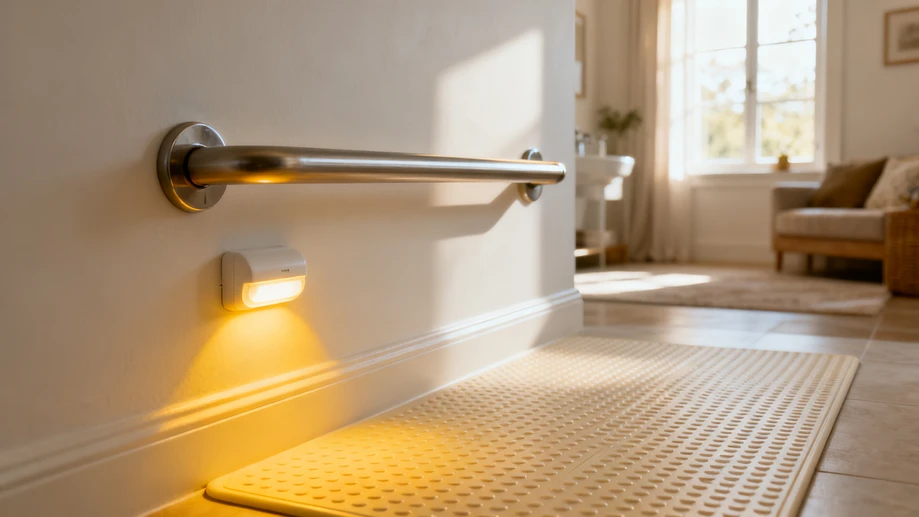
Lighting deserves particular attention as aging eyes require three times more illumination than younger ones. Install motion-sensor night lights along the route from bedroom to bathroom – a critical path where over 80% of nighttime falls occur. Replace standard switches with glow-in-the-dark or illuminated versions for easy location in darkness. Increase wattage in frequently used lamps and add task lighting in reading nooks. The psychological impact proves equally valuable: improved lighting reduces anxiety and confusion while boosting mood and circadian rhythms.
Bathrooms demand strategic interventions where wet surfaces and tight spaces combine dangerously. Apply non-slip strips directly onto shower floors rather than using loose mats that can slide or curl. Install grab bars at multiple heights near toilets and showers – these provide crucial leverage points for sitting and standing. Consider a shower chair with back support for stability during bathing. For those with arthritic hands, replace round faucet knobs with lever handles requiring minimal grip strength. These modifications extend independence while reducing caregiver strain during personal care routines.
Kitchens present unique challenges where cognitive decline meets physical hazards. Store frequently used items between waist and shoulder level to eliminate dangerous reaching or stooping. Replace heavy ceramic dishes with lightweight plastic alternatives that reduce drop risks. Install automatic shut-off devices for stoves and clearly label medication organizers. A simple "command center" with oversized calendars, emergency contact lists, and daily task reminders can prevent overwhelming confusion. Such organizational tweaks maintain dignity while compensating for memory changes.
Ultimately, effective home care balances safety with autonomy. The most successful modifications feel like natural extensions of daily living rather than clinical interventions. Observe which activities cause frustration or hesitation and address those specifically. Celebrate maintained independence while discreetly integrating safeguards. Remember that small, consistent improvements yield greater long-term benefits than drastic overhauls that disrupt routines. When implemented thoughtfully, these humble adjustments weave an invisible safety net that preserves both physical well-being and precious independence.