
Preventing Falls at Home with Simple Daily Habit Adjustments
Discover how small routine changes significantly reduce fall risks for elderly individuals living independently
Every year, millions of seniors experience falls within their own homes, turning familiar spaces into unexpected danger zones. What many families don't realize is that over half of these accidents occur during ordinary daily activities rather than extraordinary circumstances. Consider the early morning trip to the bathroom or the midnight kitchen visit for water—these unguarded moments account for the majority of household tumbles. The solution lies not in dramatic home renovations but in mindful habit adjustments that create safer movement patterns. By understanding common trigger points in daily routines, caregivers can implement subtle yet powerful changes.
One surprising yet effective strategy involves rethinking lighting transitions between rooms. As eyesight naturally diminishes with age, abrupt shifts from brightly lit areas to darker spaces become hazardous navigation challenges. A simple practice of turning on corridor lights before entering adjacent rooms dramatically improves spatial awareness. This minor habit allows pupils sufficient time to adjust, revealing obstacles like uneven flooring or misplaced items that might otherwise blend into shadows. Equally important is establishing handrail contact before taking any step on stairs, transforming potential missteps into secure transitions.
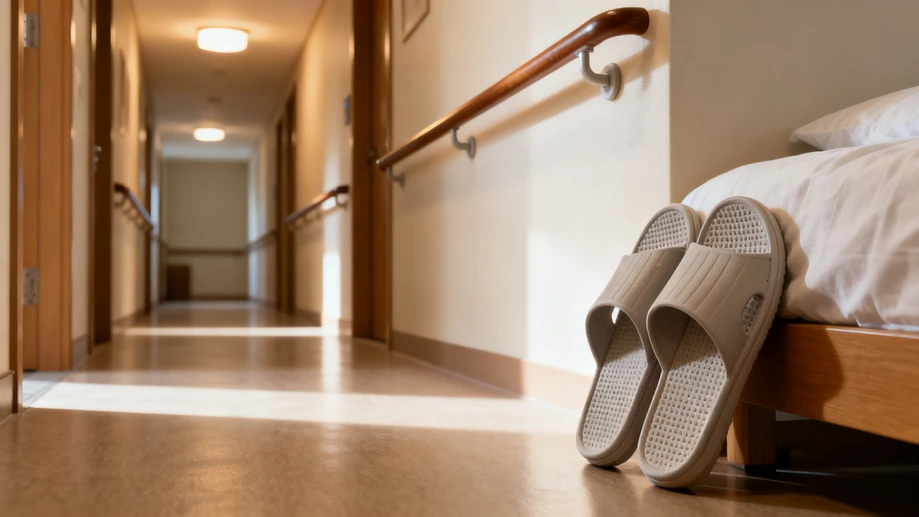
Footwear choices represent another critical yet often overlooked factor in fall prevention indoors. While comfortable slippers seem ideal, loose-fitting varieties actually contribute significantly to falls when they catch on rugs or cause dragging footsteps. The solution involves switching to snug, rubber-soled slippers specifically designed for indoor safety. These provide traction similar to outdoor shoes without tracking dirt, creating a reliable grip on various surfaces from hardwood to tile. This small wardrobe adjustment prevents countless slips caused by smooth soles sliding across polished floors during routine movements.
Beyond personal habits, maintaining clear pathways ranks among the most vital daily safeguards against falls. It takes merely three seconds for a newspaper dropped on the floor to become a tripping hazard during an unexpected midnight bathroom visit. Establishing a 'clear path protocol' where all household members participate in keeping walkways unobstructed makes environments significantly safer. This practice extends to managing electrical cords that snake across floors and ensuring chairs remain pushed completely under tables after meals. Such vigilance transforms living spaces into navigable zones rather than obstacle courses requiring constant visual monitoring.
Interestingly, hydration routines intersect unexpectedly with fall prevention in significant ways. Dehydration leads to dizziness and muscle cramps—major contributors to balance loss—yet many seniors intentionally limit fluid intake to avoid nighttime bathroom trips. Creating a strategic hydration schedule solves this paradox effectively. Consuming most liquids earlier in the day while tapering off two hours before bedtime reduces urgent nighttime urination without compromising necessary hydration. Placing a small bottle of water by the bedside further eliminates risky dashes to distant kitchens during necessary nighttime sips.
Ultimately, these modest behavioral shifts create layers of protection far more effective than relying solely on assistive devices. Unlike grab bars and stairlifts which serve specific locations, habit modifications travel wherever the senior moves. They transform ordinary actions into conscious safety practices without sacrificing independence or comfort. The cumulative effect reduces not just physical falls but also the fear of falling that often restricts movement. By integrating these small adjustments, families empower elderly loved ones to navigate their homes with renewed confidence and security.