
Simple Home Modifications Can Transform Elderly Care Safety Overnight
Discover how minor adjustments in lighting and flooring prevent accidents and empower seniors to live independently longer
Imagine an environment designed to protect rather than challenge its occupants. For seniors aging in place, everyday household features like dim corridors or loose rugs transform into silent hazards. The bathroom becomes an obstacle course, the kitchen a danger zone, and stairs a potential crisis. Nearly one-third of adults over 65 experience falls annually, but what if simple, cost-effective solutions could dramatically alter this narrative? The transformative power of home modifications lies not in grand renovations but in intelligent tweaks that honor both safety and dignity.
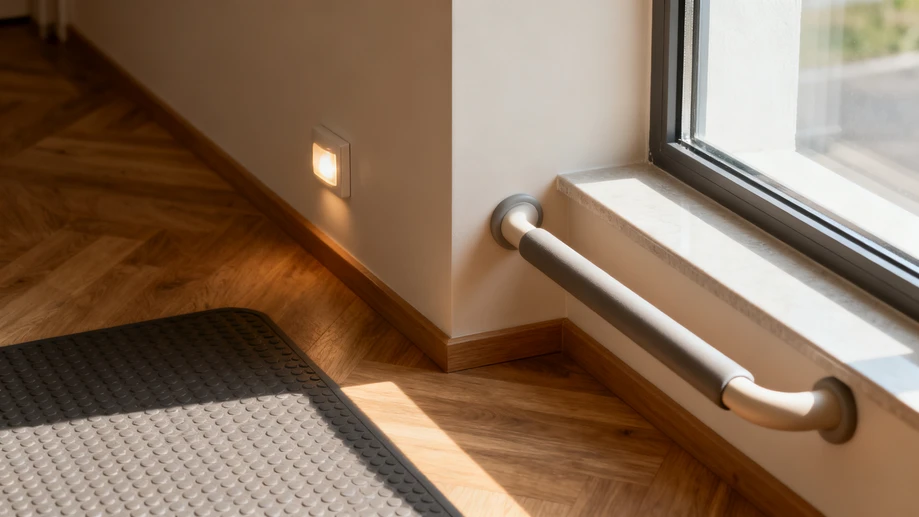
Lighting serves as the cornerstone of a secure environment. Many falls occur during nighttime navigation between bedroom and bathroom. Consider installing motion-sensor night lights along pathways. These whisper-quiet guardians illuminate steps without disrupting sleep cycles. Enhanced lighting under kitchen cabinets eliminates shadows that obscure counter edges. A particularly useful trick involves placing plug-in LED strips inside closets; seniors often overlook tripping hazards when retrieving items from dim storage areas. Such adjustments require minimal investment yet yield maximum visibility where it matters most.
Flooring transitions present another critical frontier. The one-inch height difference between rooms causes more stumbles than most realize. Ramp threshold kits bridge these gaps seamlessly. In high-traffic zones, replace area rugs with non-slip vinyl flooring or tightly woven low-pile carpet secured with double-sided tape. For existing hardwood, apply clear anti-slip coatings that maintain aesthetic appeal. An insightful tip involves using contrasting colors between floor and walls; this visual delineation helps depth perception for those with compromised vision. Every smoothed transition fortifies confidence in movement.
Strategic bathroom modifications yield extraordinary safety returns. Install grab bars near toilets and inside showers using sturdy wall anchors. Temperature-regulated faucets prevent scalding incidents during delayed reaction times. Walk-in tubs with built-in seating might seem extravagant until considering how they eliminate the perilous step-over motion. Perhaps the wisest small change involves lowering towel racks: repurposing them as supplementary support bars avoids medical equipment stigma while serving dual functions. This space demands particular vigilance given its hard surfaces and water risks.
These adjustments collectively form a safeguard ecosystem. Families should methodically audit homes room-by-room, identifying friction points like overfilled bookshelves requiring precarious reaching. Even something as simple as replacing round doorknobs with lever handles benefits arthritic hands. The beauty lies in reversibility; most enhancements don't require permanent structural changes yet deliver profound peace of mind. After implementing night lights and bath rails, one reported a seventy percent decrease in close-call incidents within weeks.
Ultimately, creating an elderly-friendly home isn't about clinical sterility but intelligent adaptation. Thoughtful modifications extend independence rather than restrict it. When spaces align with physical realities, seniors reclaim agency over daily routines. The glow of a well-lit hallway represents more than illumination—it's a declaration that homes can evolve alongside those who cherish them.