
The Hidden Power of Everyday Chatter in Building Your Baby's Vocabulary
How Simple Conversations During Diaper Changes and Playtime Shape Cognitive Development More Than Expensive Toys
Most parents instinctively talk to their babies, but few realize how profoundly these everyday exchanges build the foundation for language acquisition. Long before babies utter their first recognizable words, their brains are mapping the rhythms, tones, and patterns of spoken language with astonishing precision. This silent processing begins in the womb and accelerates dramatically after birth. Studies using specialized equipment have shown that infants as young as three months can distinguish between phonetic sounds unique to different languages, a skill adults often lose. The significance lies not in what parents say but in the consistent responsiveness they offer. This neural groundwork transforms random sounds into meaningful communication tools and sets cognitive pathways for lifelong learning.
Researchers have pinpointed a critical window between nine and twenty-four months when babies' brains exhibit extraordinary plasticity for language development. During this phase, children actively seek patterns in speech. They instinctively respond to exaggerated tones and rhythmic phrases we naturally use with infants. When caregivers narrate simple activities during routine tasks like feeding or bathing, they unknowingly provide rich linguistic data. For example, describing "We're washing your tiny toes now" connects words to physical sensations. This context-rich input helps infants form associations between objects, actions, and their corresponding verbal labels. Repetition becomes vital as it reinforces neural connections; hearing "cup" while holding it dozens of times creates stronger memory links than sporadic exposure.
Practical applications of this knowledge require no special tools or expensive programs. Transforming grocery shopping into a vocabulary adventure proves surprisingly effective. Pointing out red apples and green cucumbers while placing them in the cart engages multiple senses. Labeling daily rituals such as zipping jackets or stirring oatmeal provides predictable language patterns babies crave. Crucially, caregivers should pause after statements to give infants processing time, which often elicits gurgles or gestures. These nascent communication attempts create conversational turn-taking, reinforcing the social function of language. Even when understanding seems impossible, toddlers are mentally cataloging sentence structures from these interactions, gradually building internal phrase libraries.
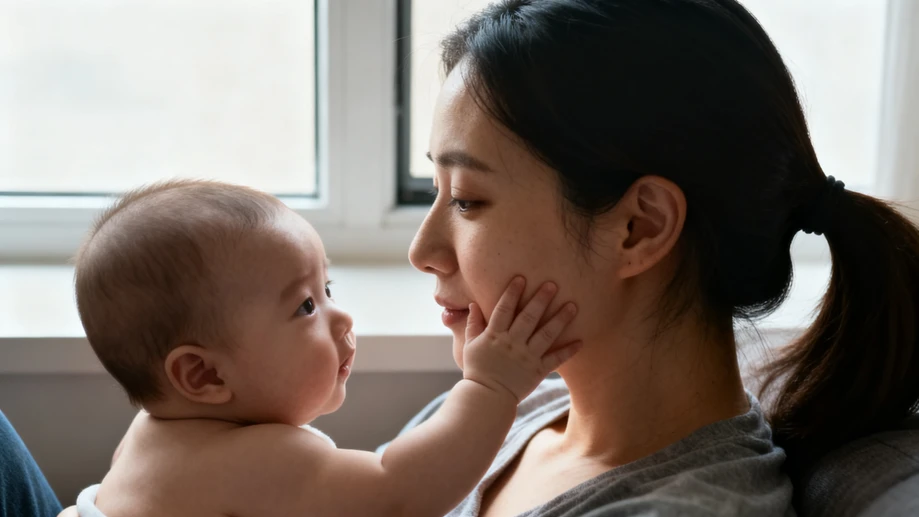
Modern families face unique challenges in maintaining quality verbal exchanges despite good intentions. Screen time presents the most significant barrier to language-rich environments. Though educational programs seem beneficial, research consistently shows that passive viewing lacks the back-and-forth interaction essential for neural development. The more concerning finding is how parental phone use subtly disrupts interactions. Caregivers scrolling during feedings frequently miss subtle cues: shifting eyes toward a falling leaf or fingers grasping toward a passing pet. These micro-moments represent language opportunities. Physical proximity also matters immensely; babies learn more from conversations held close enough to see lip movements and facial expressions than distant chatter.
Perhaps the most underestimated aspect of language building is the power of imperfection. Parents often feel intimidated by educational jargon about narration techniques. But authentic communication sometimes involves stumbles. When adults rephrase fragmented statements or complete words babies struggle to articulate, they demonstrate language repair in action. Musicality also enhances learning; singing simple tunes during transitions creates rhythmic predictability. Even quiet moments play their role as infants observe parents conversing with other adults, absorbing conversational structures. Every shared sound cultivates a child's ability to interpret the world through words and prepares them for complex social interactions. The profound truth remains that the richest language curriculum exists in ordinary moments attentively shared.