
How Pets Are Revolutionizing In-Home Senior Care Services
Exploring the Unexpected Psychological and Physical Benefits of Animal Companions in Elderly Support Programs
As global populations age, the demand for compassionate elderly care solutions has never been higher. Traditional approaches often focus solely on physical assistance, overlooking a powerful emotional component that could transform care quality. Surprisingly, research reveals that integrating animal companionship into home care routines yields measurable improvements in seniors' well-being. This innovative approach taps into the fundamental human-animal bond, creating ripples across the geriatric care industry where emotional needs frequently go underserved.
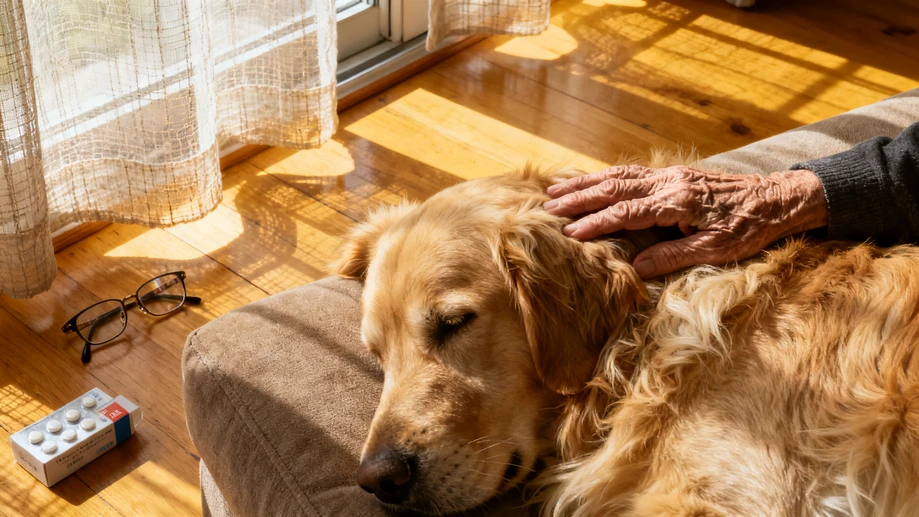
The science behind this phenomenon reveals fascinating physiological mechanisms at work. Studies demonstrate that interactions with therapy animals consistently lower cortisol levels while elevating oxytocin production. Within twenty minutes of petting a dog, elderly participants show significant blood pressure reductions comparable to some hypertension medications. Furthermore, structured animal-assisted activities stimulate cognitive function through memory recall exercises about past pets and responsibility routines. These biochemical changes create tangible physical benefits including reduced pain perception and strengthened immune responses observed over longitudinal studies.
Practical implementation of pet therapy in home care settings yields remarkably consistent outcomes. Caregivers report that previously withdrawn clients initiate conversations when animals enter the room, breaking through isolation barriers that medication cannot address. Mobility-challenged seniors demonstrate increased motivation for physical therapy when accompanied by a gentle dog during walks. Notably, facilities permitting resident pets document decreased incidents of sundowning syndrome among dementia patients, with animals providing non-verbal anchoring during disorientation episodes. The rhythmic act of brushing fur becomes a meditative exercise that simultaneously improves fine motor skills.
Despite these compelling advantages, implementing pet-inclusive care requires thoughtful consideration. Professional caregiver training must include animal behavior interpretation to recognize stress signals in both parties. Health administrators develop specialized protocols covering hygiene standards, allergy mitigation, and emergency veterinary access. Importantly, programs differentiate between temporary therapy animals and permanent companion pets, with rigorous temperament assessments ensuring suitable matches. Liability concerns necessitate comprehensive insurance frameworks that acknowledge these increasingly common care arrangements.
Looking ahead, this interdisciplinary approach is gaining institutional recognition. University gerontology departments now incorporate animal-assisted therapy modules into core curricula, while insurers develop reimbursement codes for structured pet intervention sessions. Technological advancements complement biological interactions with robotic companions assisting overnight anxiety management. As evidence mounts, regulatory bodies face increasing pressure to establish standardized certification programs for both animal handlers and therapy animals in home settings. The future of elderly care appears irrevocably transformed by creatures who ask nothing but give everything in return.