
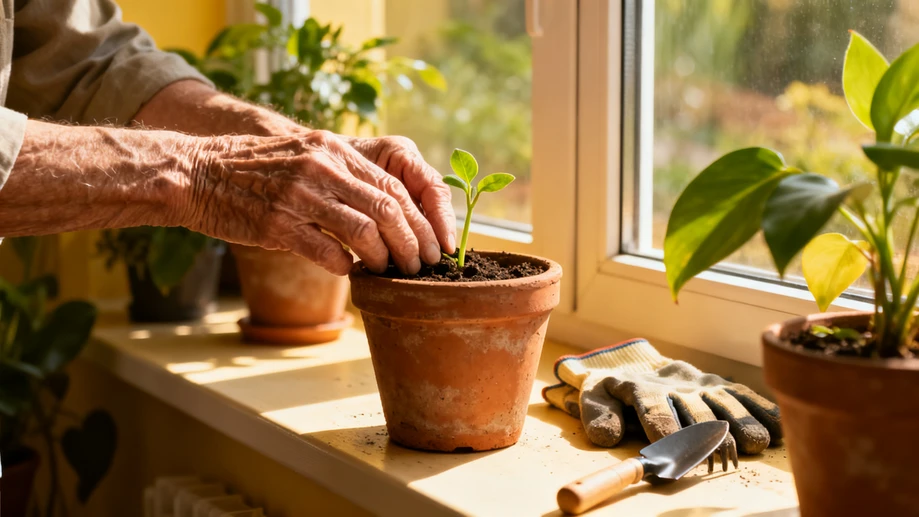
Tending Gardens and Hearts How Horticulture Nurtures Seniors at Home
Discover the simple joys of dirt under fingernails and watch how nurturing plants can cultivate wellness in unexpected ways
Amidst the quiet rhythm of home care for elderly individuals, an age-old activity quietly emerges as a therapeutic powerhouse. Horticulture therapy, once viewed merely as a hobby, now demonstrates measurable benefits for seniors managing chronic conditions or cognitive decline. Studies show that regular interaction with plants can lower cortisol levels by up to 16% while improving attention span – crucial advantages for those navigating the challenges of aging. The sensory engagement of soil texture, leaf patterns, and floral fragrances creates a multisensory experience that often awakens fading memories and sparks unexpected conversations.
Beyond physiological metrics lies the profound emotional cultivation that occurs when caring for living things. Container gardening proves particularly accessible for those with limited mobility, allowing the cultivation of cherry tomatoes or aromatic basil right on sunny windowsills. The predictable growth cycle of plants provides comforting routine while the tangible results – blossoms unfolding or vegetables ripening – foster a renewed sense of purpose. This gentle accountability combats feelings of isolation, replacing them with the quiet satisfaction of being needed. Did you know that certain plants release phytoncides that naturally lower blood pressure?
Adapting garden spaces requires minimal investment but yields maximum accessibility. Raised beds eliminate strenuous bending for wheelchair users while vertical planters transform blank walls into thriving herb gardens. Strategic plant selection also matters profoundly; vibrant marigolds offer high visual contrast for dimming eyesight, while fuzzy lamb's ear provides tactile stimulation for arthritic hands. The magic occurs not in grand landscapes but through micro-gardening – a single potted African violet demanding daily attention can become an emotional anchor point.
Intergenerational connections blossom when grandchildren assist with seed starting or watering routines. These shared activities transcend language barriers as wrinkled hands guide small fingers in patting soil around seedlings. Plant care responsibilities become accessible conversation starters replacing awkward silences with natural collaboration. Even when visiting becomes impossible, video calls showing emerging sprouts create shared anticipation. Small wonder memory care facilities report reduced agitation when residents nurture plants collaboratively.
Perhaps the deepest healing emerges from witnessing nature's resilience – a drooping plant reviving with care becomes a mirror for human recuperation. The patient rhythm of gardens teaches acceptance of changing seasons in life. Those coping with loss often find solace in propagating cuttings from departed loved ones' plants, transforming grief into living memorials. This tangible continuity helps reframe life's narrative beyond physical limitations while celebrating small daily victories.
Implementing horticultural therapy demands no certification, only willingness and observation. Start with resilient specimens like spider plants that visibly signal thirst before progressing to flowering varieties. Track mood changes in gardening journals to identify patterns in emotional responses to different horticultural activities. The simple act of deadheading spent blooms while reviewing the day's events often unlocks reflections otherwise left unspoken. Ultimately these small green sanctuaries become silent therapists accompanying the journey of aging with quiet grace.