
Effective Strategies to Prevent Accidental Falls in Home Care Settings
Essential daily routines and environmental adjustments that safeguard seniors from falls during caregiving
Falls represent a critical concern in home care environments, often striking unexpectedly and leading to severe consequences like fractures or prolonged recovery times. Statistics reveal that one in every three adults over the age of 65 experiences a fall each year, underscoring the urgent need for awareness and proactive measures among caregivers. This problem frequently arises from overlooked household hazards, such as slippery floors or inadequate lighting, which can turn a simple walk to the bathroom into a dangerous event. Moreover, understanding the profound impact of falls on both physical health and emotional well-being helps caregivers prioritize prevention; it not only reduces injuries but also boosts confidence and independence in the elderly.
Transitioning to the root causes, many falls stem from preventable factors that are easy to address with careful observation. Poor balance due to age-related changes in vision or muscle strength is a primary contributor, coupled with side effects from medications that may cause dizziness or drowsiness. Additionally, everyday items like loose rugs, electrical cords, or cluttered pathways create tripping hazards that accumulate risks over time. For instance, a wet spot in the kitchen after cooking or a dimly lit staircase at night can trigger accidents if not monitored regularly. Therefore, recognizing these triggers is the first step toward mitigation, empowering caregivers to identify and eliminate dangers before they escalate.
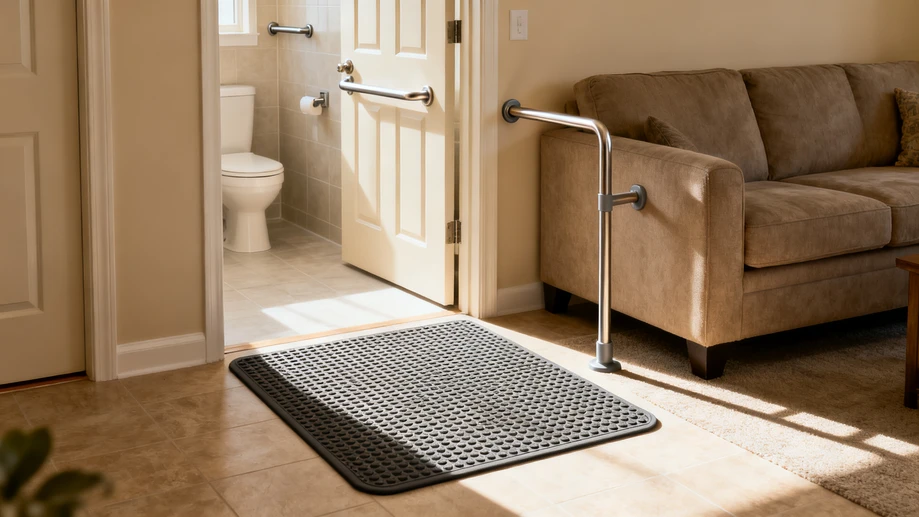
Building on this foundation, implementing environmental modifications forms a cornerstone of effective fall prevention. Simple changes, such as installing grab bars in bathrooms and along hallways, provide crucial support points for mobility, while ensuring adequate lighting in all areas enhances visibility and reduces disorientation. Non-slip mats should be placed in high-risk zones like showers and entryways, and furniture arrangements must allow for clear, obstacle-free paths between rooms. Such adjustments require minimal effort yet yield significant results; they transform living spaces into safer havens without costly renovations. Moreover, regular safety checks—like inspecting floor surfaces for tears or ensuring handrails are secure—reinforce these adaptations as ongoing habits.
Equally important are personal health practices that caregivers can encourage to fortify resilience against falls. Engaging in routine exercises, such as gentle balance training or strength-building activities like tai chi, improves stability and coordination, making daily movements safer. Nutrition also plays a vital role; a diet rich in calcium and vitamin D supports bone health, while hydration prevents dizziness linked to dehydration. Furthermore, scheduling regular medical check-ups helps manage medications and monitor conditions like osteoporosis or arthritis, which can heighten fall susceptibility. By integrating these habits into daily care routines, individuals develop stronger defenses, turning prevention into a natural part of life rather than a burden.
In summary, preventing falls in caregiving demands a holistic blend of environmental vigilance and personal commitment, ultimately fostering a secure and nurturing atmosphere. While challenges may persist, consistent application of these strategies can drastically cut incidents, promoting longer and more fulfilling lives for seniors. Thus, caregivers are urged to start small—perhaps by adding one non-slip mat today—and build toward a comprehensive safety net that benefits everyone involved in the care journey.