
Bringing Nature Indoors: The Surprising Mental Health Benefits of Houseplants
Discover how strategically placed greenery transforms homes into therapeutic sanctuaries for modern caregivers
In the bustling world of home caregiving, where stress often accumulates like dust in forgotten corners, an unexpected ally emerges from nature's arsenal. Houseplants, those silent green companions perched on windowsills and side tables, are proving to be powerful therapeutic tools for both professional caregivers and family members tending to loved ones. Scientific research reveals that simply being in proximity to living plants can lower cortisol levels by up to 12% within just twenty minutes of exposure. This biological response transforms sterile environments into healing spaces where the mind finds unexpected respite from constant demands.
The magic works through multiple sensory pathways simultaneously. Visually, the vibrant greens and intricate patterns of foliage engage our brains in a restorative process known as soft fascination, gently redirecting attention away from cyclical worries. Tactile engagement deepens the connection; pruning leaves or testing soil moisture becomes a mindful activity that anchors us in the present moment. Even the subtle humidity plants release creates a physiological comfort, particularly beneficial during long hours spent indoors. Beyond these measurable effects, nurturing another living thing fulfills a primal need often neglected in caregiving roles.
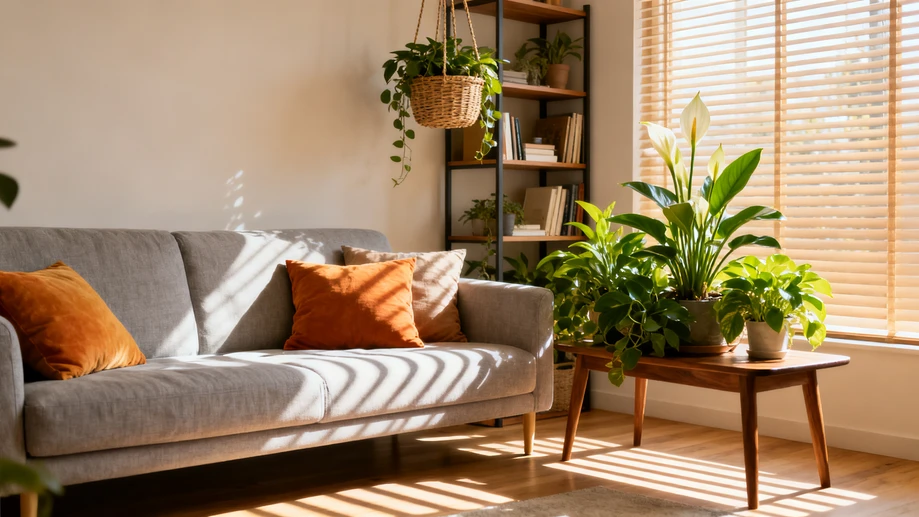
Selecting the right botanical allies requires thoughtful consideration of both space and purpose. Broad-leaved varieties like peace lilies serve as natural air purifiers, quietly removing airborne toxins while their elegant white blooms offer visual tranquility. For cramped spaces, vertical gardens or hanging planters of trailing pothos create lush green curtains without sacrificing precious floor area. Herbs like lavender and rosemary perform double duty, releasing anxiety-reducing scents when brushed against during daily movements. Strategic placement matters enormously: cluster plants near reading nooks, position soothing green views from frequently used chairs, and create miniature oases in high-stress zones like medication stations.
Maintaining these silent therapists need not become another burdensome chore. Embracing low-maintenance species aligns perfectly with demanding caregiving schedules – snake plants thrive on neglect, ZZ plants endure low light, and spider plants practically propagate themselves. Establish simple routines: pairing watering with morning coffee checks or misting during medication rounds. The rhythmic care becomes meditative rather than taxing, especially when involving care recipients in tending to 'their' plant. Even dementia patients often respond with remarkable focus when gently guided to wipe leaves or water seedlings, creating shared moments of purposeful connection.
As urban living increasingly severs our connection to nature, integrating botanical elements into care environments offers profound psychological restoration. Caregivers report notable decreases in burnout symptoms after introducing greenery into their workspaces, while care recipients demonstrate improved mood regulation and reduced agitation. The humble houseplant quietly rebuilds our fractured relationship with the natural world – one leaf at a time – transforming sterile rooms into living sanctuaries where both giver and receiver find breathing space for their weary souls.