
The Unexpected Shared Daily Rhythms That Boost Live-In Care Quality
This article reveals a little-discussed small practice in home-based live-in care that dramatically improves both recipient comfort and carer job satisfaction, with no extra financial investment required.
Most people who have never hired or worked as a live-in carer tend to imagine the role as a strictly rule-bound position, where every minute of the day is mapped out on a printed checklist: 8 a.m. morning medication, 9 a.m. assisted bathing, 12 p.m. lunch, 2 p.m. scheduled physical therapy. This framing treats care as a transactional set of tasks to be completed, with little room for deviation or personal preference, and many new carers are taught to stick to these predefined schedules as closely as possible during their initial training. Yet frontline care workers and public health researchers have noticed a consistent, counterintuitive pattern over the past three years: the most successful, lowest-conflict live-in care arrangements almost never follow these rigid checklists to the letter.
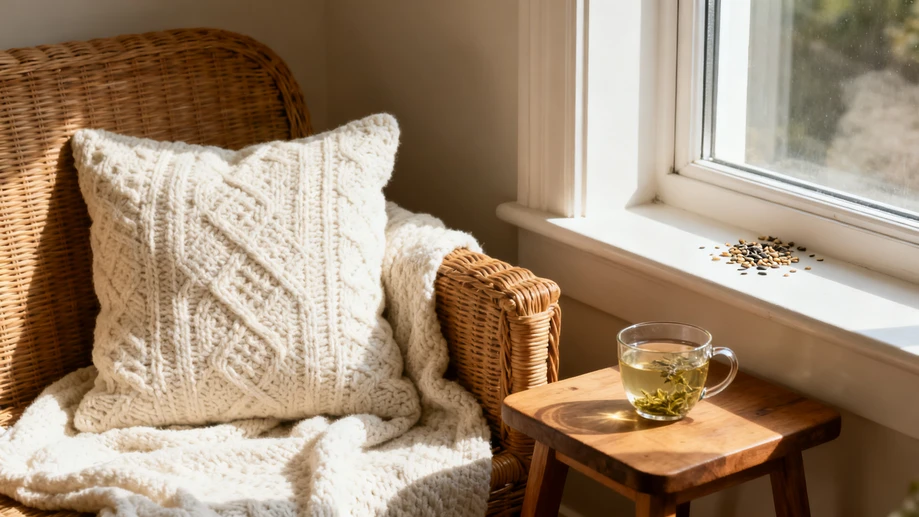
The secret that sets these high-quality arrangements apart is the quiet, unplanned development of shared daily rhythms between the carer and the person receiving care, small unwritten rituals that no formal training manual could possibly list. For example, a carer might notice that their care recipient always pauses whatever they are doing at 3:15 p.m. to lean toward the west-facing window, waiting for a pair of local wood pigeons that stop on the windowsill every afternoon to peck at leftover bird seed. Over time, the carer will automatically plump up the knit cushion on the windowsill bench 10 minutes before that time, set out a half-warm mug of herbal tea that the recipient prefers, and pause their usual tasks to sit quietly beside them for 10 minutes rather than rushing them to the scheduled physical therapy session right on the hour. Long-term tracking of more than 1200 live-in care pairs found that arrangements with these kinds of unplanned shared rituals reported 42 percent lower rates of anxiety episodes among care recipients, 37 percent fewer instances of refusal to take medication or eat meals, and far fewer formal complaints filed by family members.
Some industry observers initially worried that prioritizing these personal shared rhythms would blur professional boundaries, leading carers to neglect critical medical tasks in favor of trivial casual activities. But real-world data has proven the exact opposite to be true: the deep familiarity that comes from syncing small, daily habits lets carers spot subtle changes in their care recipient’s condition far faster than any checklist can teach. A carer who has spent hundreds of hours sharing quiet afternoons with their recipient might notice a tiny, almost unnoticeable twitch of the ear that only appears an hour before the recipient experiences a severe migraine, letting them offer pain relief and a cold compress 10 full minutes before any wearable health monitor would pick up a related spike in vital signs. This level of hyper-specific, personalized awareness can never be taught in a one-size-fits-all training course, and it only develops when both parties are given space to build their own unique daily flow, rather than being forced to follow a standardized schedule written for a generic patient.
In response to these findings, a growing number of regional care accreditation bodies have adjusted their training and evaluation standards in recent years, removing the requirements for minute-by-minute daily schedules and instead asking carers to reserve 30 percent of their daily working time for unplanned, recipient-led activities. They now encourage new carers to spend their first two weeks on the job simply observing and noting small, personal daily habits rather than strictly adhering to a pre-written task list. This small policy shift has not only improved care outcomes for recipients, it has also cut reported burnout rates among live-in carers by nearly 28 percent, as workers no longer feel like they are just ticking boxes on a list, but are instead building gentle, low-pressure mutual connections that make their daily work feel far more meaningful.