
The Gentle Art of Keeping Minds Sharp Through Daily Care
Discover how simple activities during home care visits can profoundly impact cognitive wellness for aging individuals.
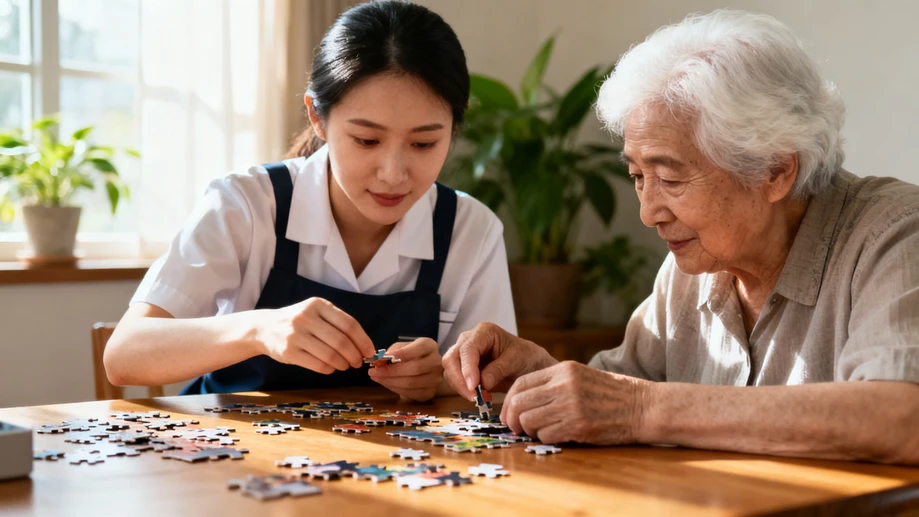
In the quiet rhythm of home care, a subtle revolution unfolds beyond basic assistance. While helping with meals or medication remains crucial, a deeper dimension exists where caregivers can significantly influence cognitive health. The human brain, even in later years, retains remarkable plasticity – its ability to form new neural connections. This neuroplasticity means cognitive decline isn't inevitable, and daily interactions hold untapped potential. Home care professionals uniquely occupy this space, transforming routine visits into opportunities for mental engagement that science shows can delay cognitive impairment and enhance quality of life.
What makes these interventions powerful is their simplicity and seamless integration into daily routines, avoiding clinical settings. Consider reminiscence therapy: casually discussing old photographs or past experiences during tea time isn't mere conversation. It actively exercises memory recall, language skills, and emotional processing. Similarly, sorting laundry by color engages visual discrimination and decision-making, while planning a small garden patch involves spatial reasoning and sequential thinking. These aren't complicated tasks requiring special equipment; they're organic extensions of home life that stimulate different brain regions without the person feeling "tested" or anxious.
Physical movement, often encouraged for bodily health, reveals profound cognitive benefits when thoughtfully incorporated. Gentle chair exercises following a rhythmic pattern challenge coordination and working memory. Even a slow walk through the garden becomes a cognitive exercise when the caregiver prompts observation – naming flowers, noticing seasonal changes, or recalling the purpose of different tools. This dual activation of motor skills and sensory processing creates a richer neural workout than either activity alone, demonstrating how everyday motions can be transformed into brain-boosting practices.
Surprisingly, sensory stimulation offers another potent avenue often overlooked. The simple act of introducing varied textures during hand care – a smooth stone, soft wool, or cool metal – can spark neural activity related to touch perception and memory association. Engaging the sense of smell is equally powerful; discussing the scent of fresh herbs while cooking or different soaps during bathing activates the olfactory bulb, closely linked to the brain's emotional and memory centers. These sensory experiences provide non-verbal pathways to cognitive engagement, particularly valuable for those finding conversation difficult.
The true magic lies not in isolated exercises but in consistent, personalized integration. Success hinges on the caregiver's observational skills and adaptability. Does the person light up when discussing music? Incorporating familiar songs can stimulate autobiographical memory and emotional connection. Noticing frustration with complex tasks? Breaking them into smaller, manageable steps preserves dignity while exercising planning skills. This personalized approach ensures activities feel natural and enjoyable, not like medical interventions, fostering willingness and sustained participation.
Ultimately, these mindful interactions represent a paradigm shift in home care. They move beyond maintenance towards enrichment, recognizing that cognitive wellness is integral to overall well-being. For families, it offers reassurance that care visits nurture the mind alongside the body. For caregivers, it elevates their role from practical support to cognitive ally. And for the aging individual, it provides the invaluable gift of sustained mental clarity and connection within the comforting familiarity of home, proving that sharp minds can indeed flourish with gentle, daily care.