
The Unspoken Joy of Preserving Small Daily Rituals in Live-in Care
This piece talks about the underrated small practice of respecting long-held personal daily habits in live-in elder care, and the unexpected positive impacts it brings to both care recipients and their families.
Many people outside the live-in care industry tend to define the role of full-time in-home companions with a rigid, checklist-based set of responsibilities: preparing meals according to dietary restrictions, assisting with medication schedules, keeping the living space clean and tidy, and helping seniors move around safely for daily activities. Few stop to consider that the most powerful part of high-quality live-in care has nothing to do with these standardized, easily measurable tasks. It lies in the small, almost invisible decisions that respect the unique, long-formed personal habits of the person receiving care, choices that are often overlooked in formal care training guides but can reshape the entire daily experience of the household.
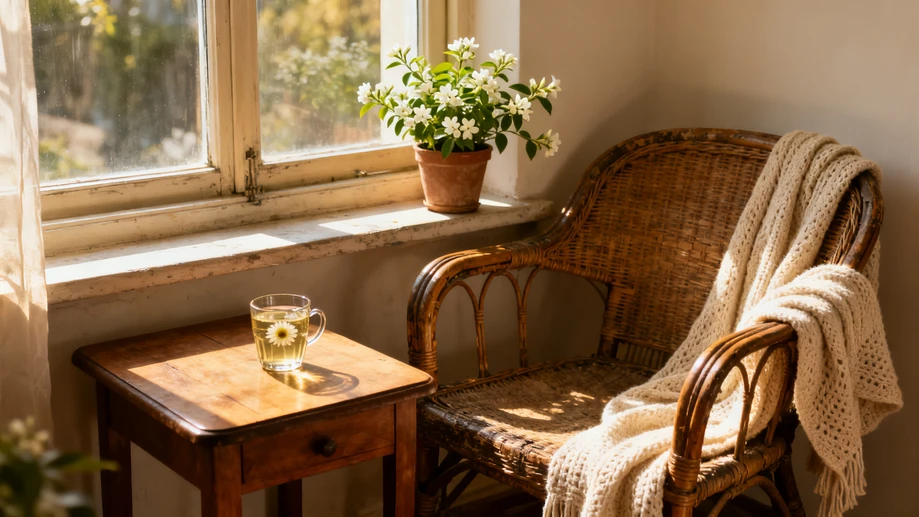
A 78-year-old senior with mild cognitive impairment, for example, used to grow anxious and pace around the house for hours every afternoon, a pattern that persisted for months even after his family hired an experienced live-in caregiver. The shift happened when the new caregiver noticed that every day at 3 p.m., the senior would stop whatever he was doing and glance at the empty spot next to the old rattan armchair by the bay window. After learning from the family that for more than 50 years, the senior had made himself a cup of weak chrysanthemum tea at exactly that time to enjoy 10 minutes of sunlight by the window, the caregiver began preparing the drink and placing it on the small wooden side table next to the armchair without being asked. Within two weeks, the afternoon pacing stopped entirely, and the senior’s nocturnal wake-up frequency dropped from four times a night to less than once on most days, no additional medical interventions required.
Many family members initially push back against prioritizing these tiny routines, arguing that they take extra time that could be spent on more “practical” tasks, or that the old rattan chair is wobbly and not as safe as a new medical-grade supportive seating unit. What most do not realize is that these small, repeated daily rituals act as stable anchors for the senior’s scattered long-term memory, especially for those living with cognitive decline. Each familiar small movement, each familiar smell and taste connected to decades of personal history, tells the senior that this space is still their home, not a temporary medical facility, and that they do not have to give up their sense of self just because they need assistance with daily tasks. These small moments of familiarity eliminate a huge amount of unspoken anxiety that standardized care plans often fail to address.
Recent industry surveys tracking more than 1200 live-in care arrangements across the country show that households where caregivers are given full flexibility to integrate these personal small rituals into their daily services report 58 percent fewer minor conflicts between care recipients, family members and care providers, compared to households that enforce strict, task-focused daily schedules. Over time, many seniors who were initially cold and distant to their new live-in companions gradually open up, sharing old stories tied to their small habits: the chrysanthemum tea was a routine his own mother kept for him when he worked long hours at the factory decades ago, the potted jasmine by the windowsill was the first gift he bought for his wife on their first date, the 10 minutes of tuning the old analog radio before bed was a habit he formed when he worked night shifts in his youth. The once formal, distant service relationship slowly softens into a warm, relaxed companionship that feels natural for everyone in the house.
The core of live-in care has never been about checking every box on a service contract as efficiently as possible. It is about preserving the tiny, unique pieces of a person’s life history that make them who they are, even when they can no longer complete every small step of their old routines on their own. These unwritten, flexible little adjustments do not require huge extra budgets or special high-tech training, they only require a bit of patience, careful observation and genuine respect for the person that lives in the space. For millions of households that rely on live-in support, these quiet small moments are the secret that turns a house with a hired caregiver, back into the warm, familiar home that everyone feels comfortable in.