
Simple Playtime Activities Unlock Your Toddler's Verbal Superpowers
Discover how everyday interactions become powerful language lessons without formal instruction
Watching a toddler transform babbling into coherent sentences feels like witnessing magic. Yet this linguistic alchemy stems not from flashy gadgets or structured lessons, but from the organic chemistry of play. Each time you kneel on the floor to build blocks or host a teddy bear tea party, you're conducting a masterclass in communication. Young brains absorb vocabulary like sponges during these unscripted moments, decoding grammar patterns from your casual chatter. The secret lies in embedding language within joyful experiences, where words become tools for achieving play goals rather than abstract concepts to memorize. This natural scaffolding makes new terms stick faster than any forced repetition ever could.
Consider the humble ritual of bath time. As rubber ducks sail across sudsy waters, narrate their imagined adventures with exaggerated expressions. "Oh no! Captain Quack is sinking!" exclaims your dramatic rescue operation. Here, words like "sinking" and "rescue" gain tangible meaning through visual context. Your child connects the dripping duck's descent with the new vocabulary, reinforcing comprehension physically. This playful commentary – known as sportscasting – triples exposure to action verbs compared to passive observation. Research shows toddlers acquire nouns fastest, but verbs form the engine of sentence construction, making these kinetic moments linguistic goldmines.
Moving beyond labeling objects, imaginative scenarios foster complex language leaps. When you improvise a grocery store game using pantry items, you model transactional dialogue. "May I have three apples please?" you inquire, holding up cereal boxes. Your child responds with fragmented phrases initially, gradually mirroring your polite structures. These role-playing exercises build conversational turn-taking muscles while introducing pragmatic language skills – the unspoken rules governing social exchanges. The pressure-free environment allows experimentation with tonal variations too, as they switch between playing strict cashier and chatty customer without self-consciousness.
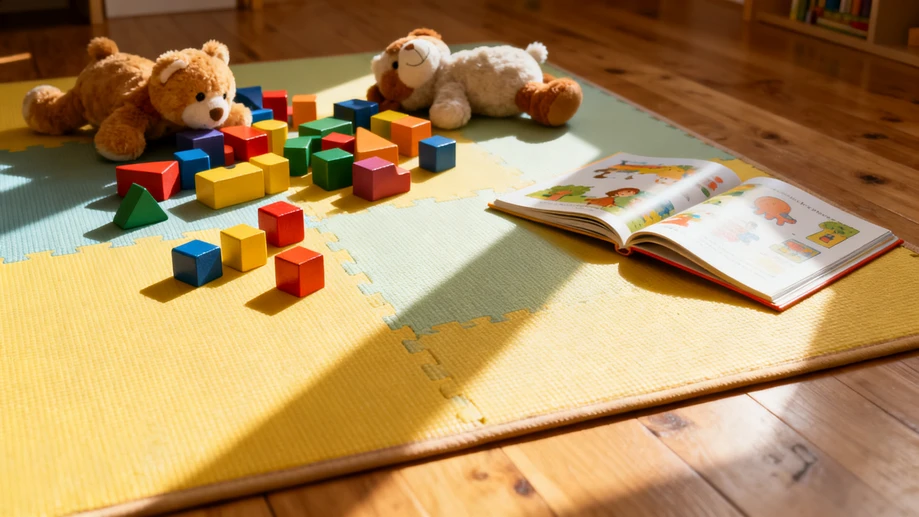
Surprisingly, strategic silence during play sparks verbal explosions. Resist the urge to fill every quiet gap while stacking blocks together. Instead, pause expectantly when handing your child the next block. This conversational vacuum often compels them to verbalize requests like "More blue!" or "Too tall!" These self-initiated utterances build confidence far more effectively than parroted phrases. Similarly, offering toy choices ("Want ball or car?") forces decisive communication. Such techniques harness play's motivational power to create organic speaking opportunities where children discover language as a problem-solving tool rather than an academic exercise.
Harnessing everyday moments amplifies learning effortlessly. A walk outdoors becomes a sensory vocabulary treasure hunt when you enthusiastically describe discoveries: "Crunchy leaves!", "Smooth stone!", "Sticky pinecone!" This spontaneous labeling attaches words to multisensory experiences, creating stronger neural pathways. Even seemingly mundane routines like diaper changes offer rhythmic opportunities for nursery rhymes. The melody and repetition in songs like "Head, Shoulders, Knees and Toes" build phonemic awareness – the critical ability to distinguish speech sounds that precedes reading. Each verse becomes a stealthy phonics lesson disguised as entertainment.
Remarkably, the most impactful language booster requires zero props: shared book reading. Unlike screens, picture books allow pacing that matches a child's processing speed. Tracing illustrations while asking open-ended questions ("What's happening here?") builds inference skills and descriptive abilities. Pointing to characters' expressions introduces emotion words like "frustrated" or "excited." Studies confirm children acquire 40% more vocabulary from interactive reading than passive listening. The physical closeness releases oxytocin too, associating language learning with safety and affection – neuroscience's ultimate learning enhancer.
Ultimately, your playful presence creates the richest language ecosystem. Forget perfection; authentic reactions to play mishaps ("Oops! Tower crashed!") teach more than scripted interactions. Celebrate invented words like "splashy" during water play, validating communication attempts before correcting them. These shared joyful moments forge neural connections where language, emotion, and cognition intertwine permanently. By simply being their enthusiastic playmate, you gift children the ultimate tool for navigating their world – one conversation at a time.