
The Unseen Comfort How Pet Companionship Transforms Home Care Dynamics
Exploring the surprising science and growing market for animal-assisted companionship within modern household care services.
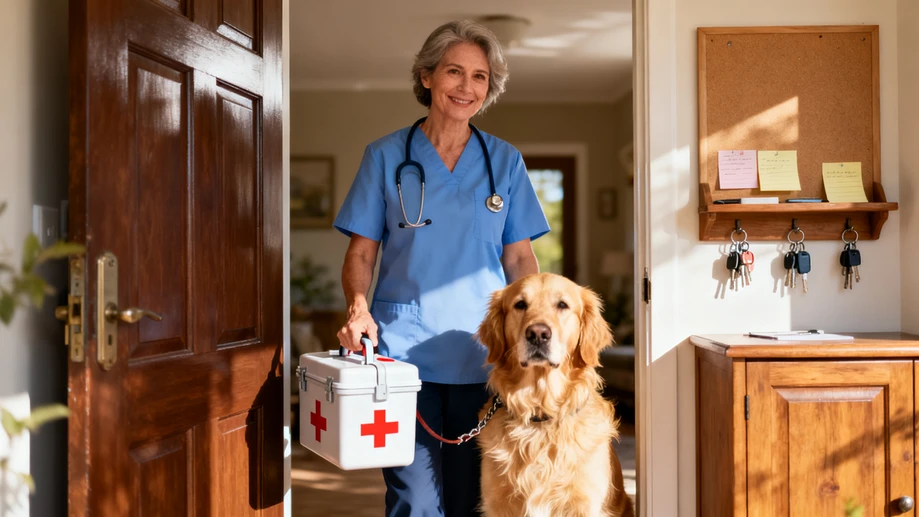
Imagine opening your door to find not only a friendly face offering practical help but also a gentle, furry companion radiating warmth. For a growing number of individuals, particularly seniors living alone or people managing chronic conditions, this scenario is becoming a valued reality thanks to a niche but rapidly expanding segment within the home care industry: professional pet companionship services. These services move beyond basic housekeeping or medical assistance, recognizing the profound, often unspoken, need for consistent, non-judgmental emotional connection and sensory comfort. The presence of a calm, affectionate animal can dismantle walls of isolation in ways human interaction alone sometimes struggles to achieve, filling homes with a unique, palpable sense of peace.
Beyond practical care tasks, caregivers specializing in this niche arrive equipped with a certified therapy animal – most commonly dogs or cats known for their calm temperaments and strong aptitude for bonding. The primary focus is intentional interaction between the animal and the client. This might involve gentle petting sessions to lower blood pressure, guided playful engagement to stimulate cognitive function and lift spirits, or simply the animal resting quietly nearby providing a calming, reassuring presence. The handler is trained to observe and facilitate these interactions safely and effectively, ensuring the animal remains comfortable while maximizing the therapeutic benefit for the person receiving care. It’s companionship distilled to its purest form, unburdened by complex conversation.
What makes these services unique isn't just anecdotal feel-good stories, but a foundation built on tangible science. Numerous studies detail the measurable physiological and psychological changes triggered by positive human-animal interaction. Contact with a friendly animal has been shown to trigger the release of oxytocin, the "bonding hormone," simultaneously reducing levels of cortisol, the stress hormone. This biochemical shift translates into real-world benefits: decreased perception of pain, lowered heart rate and blood pressure, reduced anxiety and agitation (especially valuable for those with dementia or mental health challenges), and an overall elevation in mood. The rhythmic act of stroking an animal's fur provides soothing sensory input, grounding individuals experiencing sensory overload or emotional distress.
The demand for such specialized companionship is undoubtedly rising. Social isolation is increasingly recognized as a critical public health issue, amplified by demographic shifts like an aging population and geographically dispersed families. Traditional home care services are essential for physical wellbeing, but they don't always address the deep-seated ache of loneliness. Enter pet companionship – a targeted solution filling this specific emotional gap. Agencies offering animal-assisted services are reporting significant upticks in inquiries, necessitating stricter certification processes for both handlers and animals to maintain high welfare and safety standards. Clients and their families are actively seeking care packages that integrate this element, recognizing its unique contribution to holistic well-being.
Looking forward, this facet of home care stands poised for further evolution and integration. Expect to see more robust research quantifying specific outcomes linked to animal-assisted companionship programs within home settings. Insurance providers and healthcare systems may increasingly explore pathways for coverage or reimbursement, acknowledging its preventive health potential and cost-saving benefits stemming from improved mental health and reduced medication reliance. Technology will likely play a role too, perhaps through specialized monitoring tools observing client-animal interaction patterns to personalize care plans. The core appeal, however, remains beautifully simple: the unconditional, silent comfort offered by a gentle creature, transforming routine care visits into moments of genuine connection and profound solace. This quiet revolution recognizes that true home care nourishes both the body and the soul, and sometimes, the best medicine comes with four paws and a wagging tail.