
Home Care Hacks That Transform Daily Living for Seniors
Discover how minor environmental tweaks create major quality-of-life improvements for elderly individuals
Imagine navigating a space designed against your physical capabilities – light switches beyond reach, rugs that slide like ice sheets, and bathroom floors resembling danger zones. This is the daily reality for many seniors aging in place, where ordinary homes become obstacle courses threatening independence. Yet revolutionary changes need not involve major renovations or enormous expenses. Often, the simplest adjustments yield extraordinary results in preventing accidents while preserving dignity. The cumulative impact of thoughtful environmental modifications can mean the difference between fearful shuffling and confident movement.
Consider lighting – the unsung hero of senior safety. Dim corridors and shadowed staircases contribute to over one-third of falls among the elderly, according to safety research. A strategic lighting overhaul involves both technological enhancements and behavioral shifts. Daylight-spectrum bulbs can replace harsh fluorescents, reducing glare while improving color perception. Motion-activated fixtures installed along hallways and staircases eliminate fumbling for switches in darkness. Placing plug-in nightlights with adjustable sensors in bedrooms and bathrooms creates safe pathways for nighttime movements. Removing heavy curtains to maximize natural light further reduces tripping hazards during daytime hours.
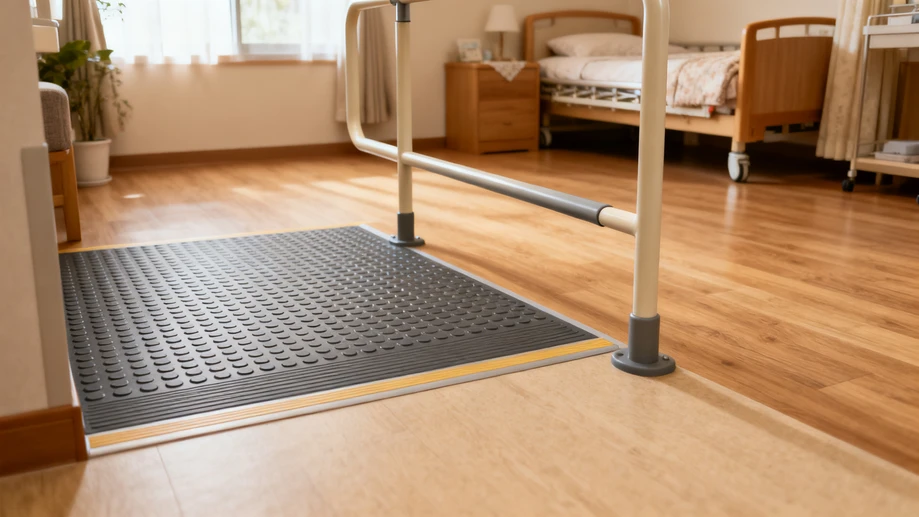
Flooring modifications present another critical opportunity. While replacing entire floors may be impractical, targeted interventions achieve remarkable results. Removing throw rugs entirely eliminates the top tripping hazard in senior homes according to occupational therapists. For necessary carpet runners, specialized non-slip rug pads anchored with double-sided tape provide secure footing. Adhesive traction strips on stairs offer visual and physical guidance, while anti-slip coatings for tile and wood floors create subtle friction. Even simple habits like immediate spill cleanup and maintaining clear walking paths significantly reduce slip risks.
Smart furniture rearrangement revolutionizes mobility without structural changes. Creating wide navigation paths (minimum 36 inches) allows unimpeded walker or wheelchair movement between rooms. Swapping low-seated sofas for chairs with armrests and proper height facilitates easier sitting and standing without assistance. Raising bed heights with safe bed risers makes nighttime transfers less strenuous, while strategically placed grab bars near seating areas offer support during position changes. Kitchen adjustments prove equally valuable – moving frequently used items to waist-level shelves eliminates dangerous reaching while pull-out drawers replace deep cabinets requiring excessive bending.
Bathrooms demand particular attention as high-risk zones. Installing grab bars near toilets and showers requires precision placement at forearm's length for natural leverage – too close or too far diminishes effectiveness. Transfer benches allowing seated shower entry eliminate the hazardous step-over shower ledge. Lever-style faucet handles require minimal grip strength compared to traditional knobs, while temperature-regulating valves prevent scalding incidents. Even small additions like a waterproof seat in the shower stall or a raised toilet seat with armrests dramatically reduce fall statistics.
These measured interventions collectively rebuild confidence along with physical safety. The immediate benefits extend beyond fall prevention to encompass psychological wellbeing – reclaiming personal space without constant vigilance against perceived threats. With minimal investment and professional consultation for technical installations, homes transform from danger zones into empowering environments. The ultimate reward arrives in witnessing renewed independence: seniors navigating their domain with assurance rather than apprehension.