
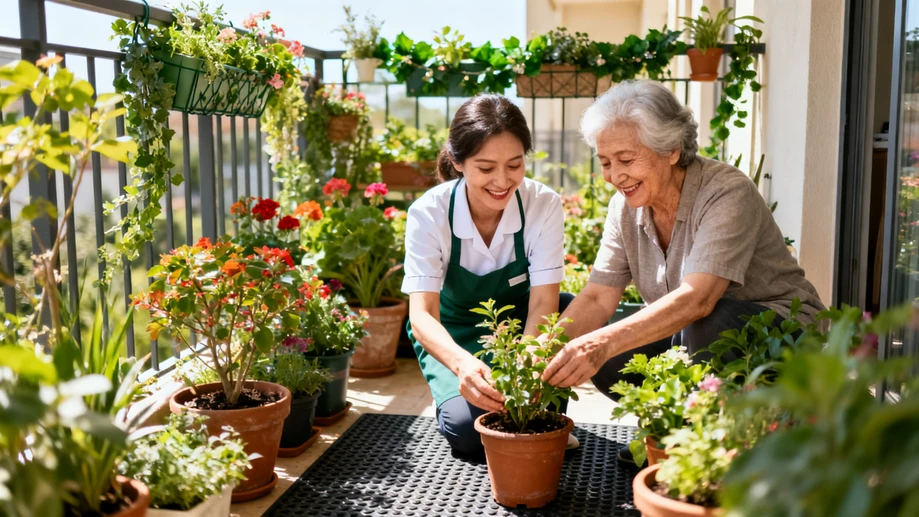
Nurturing Minds Through Everyday Activities in Home Care Assistance
Exploring How Simple Gardening Can Transform Mental Well-Being for Those Under Care
The role of home care assistance extends far beyond physical support, delving into the emotional and psychological realms where small, daily interventions can yield profound impacts. When caregivers focus solely on routine tasks like medication management or mobility aid, they might overlook the silent battles of loneliness and anxiety that many individuals face. However, incorporating engaging activities—such as gardening—into the care routine offers a natural, joyful way to uplift spirits. This shift not only addresses basic needs but also cultivates a sense of purpose, transforming mundane interactions into moments of genuine connection and healing.
Loneliness often emerges as a significant challenge in home care settings, particularly for elderly or isolated individuals, leading to feelings of detachment and even depression. Studies indicate that prolonged isolation can worsen cognitive decline and reduce overall life satisfaction, making it a critical issue to address. Yet, this problem presents an opportunity for caregivers to introduce simple, evidence-based solutions. For instance, gardening activities, such as planting seeds or tending to small pots, serve as a powerful antidote to mental stagnation. They provide not just physical exercise but also stimulate mental engagement, as individuals plan, nurture, and watch life grow, fostering a renewed sense of achievement and control.
Beyond the immediate joy, the mental health benefits of gardening are well-documented, rooted in its ability to reduce stress hormones like cortisol and increase serotonin levels. When caregivers guide someone through potting a plant or harvesting herbs, the sensory experience—feeling soil, smelling flowers, and seeing vibrant colors—triggers positive emotional responses that combat anxiety. Moreover, this activity builds a predictable routine, offering structure in an otherwise unpredictable daily life. As a result, it shifts the focus from deficits to possibilities: participants report feeling more optimistic and connected, which can lead to improved sleep patterns and enhanced social interactions, even with minimal garden space indoors.
To successfully implement such activities, caregivers must start with small, accessible steps that align with the individual's abilities and interests. Begin with low-maintenance plants like succulents or herbs, ensuring the setup requires no heavy lifting or complex tools. This approach minimizes frustration and maximizes participation, especially for those with limited mobility. Additionally, integrating storytelling or reminiscing about past gardening experiences during the activity deepens the emotional bond, turning it into a shared journey rather than a task. Over time, as confidence grows, caregivers can gradually expand to more varied projects, such as creating a small window garden or attending community garden events, thereby extending the mental health benefits into broader social circles.
Despite its simplicity, this approach demands consistency and empathy from caregivers, who must tailor activities to each person's unique needs. For example, individuals with dementia might respond better to repetitive tasks like watering plants, which provide calm familiarity. In contrast, those recovering from illness could benefit from the goal-oriented nature of growing vegetables, offering tangible progress markers. Furthermore, caregivers should observe and adapt, noting how changes in mood or energy levels correlate with gardening sessions, to fine-tune the approach. This personalized care not only enhances effectiveness but also empowers the caregiver, as they witness firsthand the transformative power of their efforts on mental resilience.
In conclusion, embracing gardening as a mental health tool in home care transcends physical assistance, creating a ripple effect of well-being that enriches both the caregiver and receiver. By focusing on such everyday activities, caregivers foster a holistic environment where joy and purpose flourish, reducing reliance on external interventions. Ultimately, this small yet mighty practice underscores a vital principle: that true care involves nurturing the mind as much as the body, paving the way for a more compassionate and sustainable approach to home assistance.