
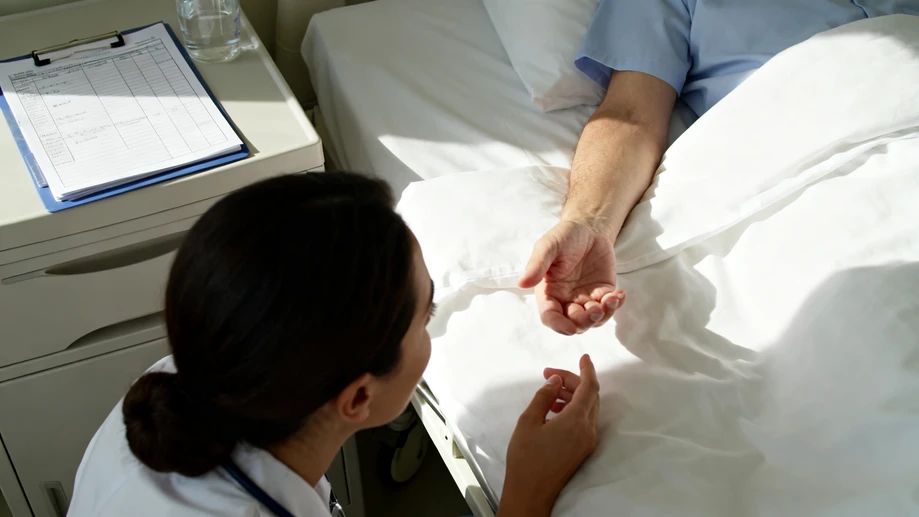
Caregivers Learn the Silent Language of Those in Their Care
Understanding Nonverbal Cues Can Transform the Quality of Care for Patients Who Struggle to Communicate
In the quiet moments between medical procedures and routine checks, a powerful form of communication unfolds without a single word spoken. Caregivers worldwide are discovering that patients often speak loudest through gestures, expressions, and subtle physical shifts. This silent language becomes particularly vital when individuals face conditions that limit verbal expression, such as after strokes, with advanced dementia, or during recovery from trauma. The ability to interpret these unspoken signals marks the difference between adequate care and truly compassionate support.
Nonverbal communication encompasses far more than obvious signals like winces of pain or smiles of contentment. Careful observers notice micro-expressions fleeting across a face, changes in breathing patterns, or how fingers might nervously twist bed sheets. A patient turning slightly toward the caregiver could indicate trust, while repetitive touching of a specific body part might reveal discomfort otherwise unreported. Even the absence of expected reactions provides valuable information about emotional state or pain levels that patients cannot articulate.
Mastering this skill requires intentional practice and heightened awareness during daily interactions. Effective caregivers develop observational routines, noting baseline behaviors during calm moments to better recognize deviations. They position themselves at eye level when possible and minimize environmental distractions to focus fully on the patient. Simple techniques like mirroring body language often encourage patients to subconsciously reveal more through their own nonverbal channels, creating a feedback loop of understanding.
Consider the experience of a caregiver noticing her patient repeatedly rubbing his temple during afternoon visits. Though the gentleman denied headaches when asked directly, the consistent gesture prompted her to adjust lighting and offer sunglasses during bright days. His visible relaxation and reduced temple-rubbing confirmed this nonverbal cue had accurately communicated light sensitivity related to his medication. Such discoveries frequently lead to comfort adjustments that standard questioning might miss entirely.
This approach fundamentally changes the caregiving dynamic from transactional to relational. When caregivers respond to nonverbal signals, patients feel profoundly seen and understood, reducing anxiety and building therapeutic trust. The validation of having one's unspoken needs recognized can significantly improve cooperation with treatment plans and overall emotional wellbeing. Even in cases where patients cannot express gratitude verbally, the relief in their eyes speaks volumes.
Healthcare institutions increasingly recognize this skill as essential rather than optional. Training programs now incorporate modules on interpreting body language, recognizing pain indicators in nonverbal individuals, and responding to emotional cues. Such education empowers caregivers to make real-time adjustments to care plans based on observed reactions rather than waiting for verbal feedback that may never come.
The ripple effects extend beyond immediate patient comfort. Families witnessing such attentive care report greater peace of mind, while caregivers themselves experience deeper professional fulfillment. This silent language connects human beings at a fundamental level, transforming caregiving from a series of tasks into an ongoing conversation of profound humanity that leaves both giver and receiver forever changed.