
The Healing Harmony How Music Therapy Transforms Patient Care in Nursing
Exploring the science and practice of music therapy in caregiving settings and its profound impact on patient recovery and wellbeing
Music therapy has emerged as a revolutionary tool in caregiving environments, offering a non-pharmacological approach to patient comfort and recovery. Unlike conventional treatments, this method engages patients through rhythm and melody, activating neural pathways often untouched by traditional medicine. The gentle strumming of a guitar or soft piano melodies can penetrate the fog of dementia, while upbeat rhythms might motivate physical rehabilitation exercises. Caregivers worldwide are discovering that carefully curated playlists can serve as emotional bridges to individuals struggling with communication barriers, creating moments of connection where words fail.
Scientific research reveals fascinating mechanisms behind music's therapeutic power. When auditory stimuli enter the brain, they trigger complex responses across multiple regions including the amygdala for emotional processing and the motor cortex for movement coordination. Neurological studies demonstrate measurable reductions in cortisol levels within twenty minutes of music exposure, explaining why agitated patients often relax during sessions. The phenomenon of rhythmic entrainment allows patients with Parkinson's disease to synchronize stiff movements to musical beats, temporarily bypassing damaged neural circuits. Such physiological responses transform passive listening into active therapy, making music an invaluable ally in daily care routines.
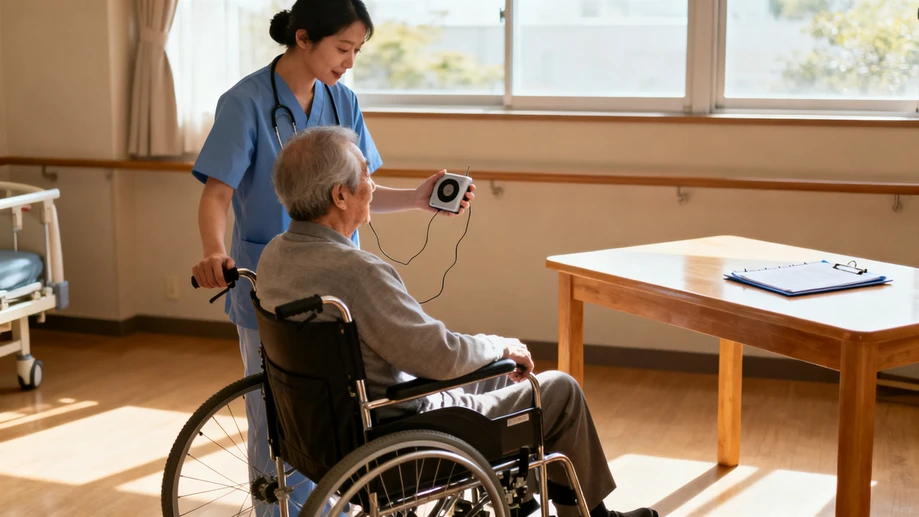
Implementing music therapy requires thoughtful preparation by caregivers. Initial assessment identifies each patient's musical preferences and therapeutic objectives, whether for pain management, mood enhancement, or cognitive stimulation. Live instruments like hand drums invite participation, while personalized digital playlists provide consistent auditory comfort. Caregivers observe subtle cues like foot-tapping or humming to gauge engagement levels. Strategic timing proves crucial—calming compositions before medical procedures reduce anxiety, while energizing melodies during physical therapy sessions boost endurance. This intentional approach transforms ordinary moments into therapeutic opportunities throughout the caregiving day.
Practical applications demonstrate remarkable versatility across care scenarios. For patients recovering from strokes, singing lyrics activates language centers, aiding speech rehabilitation. Neonatal units utilize lullabies to stabilize premature infants' heart rates and oxygen saturation. In palliative care, familiar songs from a patient's youth evoke autobiographical memories, providing comfort and continuity. Even simple interventions like rhythmic clapping games with dementia patients can spark moments of lucid connection. The accessibility of this approach empowers caregivers to create therapeutic experiences without specialized equipment, using smartphones or basic instruments available in most care facilities.
Ethical considerations guide responsible implementation of musical interventions. Caregivers must respect cultural backgrounds when selecting repertoire, avoiding music with negative personal associations. Volume control remains essential for patients with auditory sensitivities, while continuous monitoring ensures positive responses rather than overstimulation. Data privacy concerns arise when creating personal playlists, requiring secure storage of musical preferences documented in care plans. These safeguards ensure that musical interventions remain patient-centered, preserving dignity while harnessing music's extraordinary capacity to heal and comfort.