
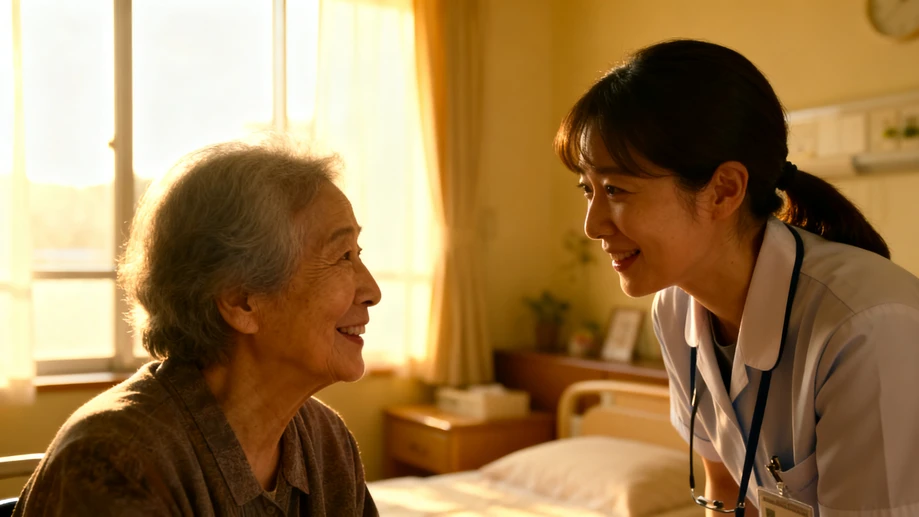
Empathetic Listening Can Revolutionize Patient Care in Everyday Settings
Learn how caregivers transform challenging situations by simply tuning into emotions and fostering trust through mindful communication techniques
Caregiving is often seen as a demanding role, filled with physical tasks like bathing or feeding patients, yet its emotional dimension remains overlooked by many. In nursing homes and home care, caregivers face daily routines that can feel monotonous, leading to burnout if not managed well. This emotional toll not only affects the caregiver but also ripples through to patients, who may withdraw into silence or exhibit signs of depression.
However, the core issue often stems from a lack of genuine connection, where patients feel unheard and isolated in their struggles. For instance, elderly individuals with chronic illnesses might bottle up frustrations, fearing they burden others, which worsens their mental health over time. Such scenarios highlight the critical gap in caregiving approaches; without addressing emotional needs, even the best physical care falls short in promoting holistic recovery.
Moreover, incorporating empathetic listening as a simple skill can dramatically shift this dynamic. Empathetic listening involves actively paying attention to a patient's words and non-verbal cues without judgment, and responding with validation rather than solutions. This technique is rooted in psychology, where studies show it reduces anxiety by making individuals feel understood. Caregivers can start by asking open-ended questions, maintaining eye contact, and reflecting back emotions, such as saying, "It sounds like you're feeling overwhelmed today."
By implementing this in practice, caregivers create a safe space for patients to express vulnerabilities. For example, during routine interactions like meal times, a caregiver might pause and ask about the patient's concerns, leading to deeper conversations that uncover hidden fears. This proactive approach not only prevents misunderstandings but also builds trust, transforming mundane tasks into opportunities for emotional support.
Ultimately, the benefits of such communication extend beyond immediate mood improvements. Patients who feel heard report higher satisfaction with care, faster recovery rates, and reduced hospital readmissions. For caregivers, it fosters personal fulfillment by deepening relationships, turning challenges into rewarding experiences that redefine the essence of caregiving for everyone involved.