
Simple Home Modifications That Prevent Falls Among Seniors
Practical upgrades to transform living spaces into safer environments for aging loved ones
Every eleven seconds, an older adult visits an emergency room due to a fall, turning homes into unexpected danger zones. Unlike public facilities designed with accessibility in mind, residential spaces often hide trip hazards in plain sight beneath throw rugs or behind poor lighting. The psychology behind this oversight is fascinating: people perceive familiar environments as safe while underestimating subtle changes in mobility that accompany aging. Recognizing this cognitive gap represents the first critical step toward prevention. Experts consistently find that fall-related injuries stem not from recklessness but from environmental factors we can systematically address through thoughtful adjustments.
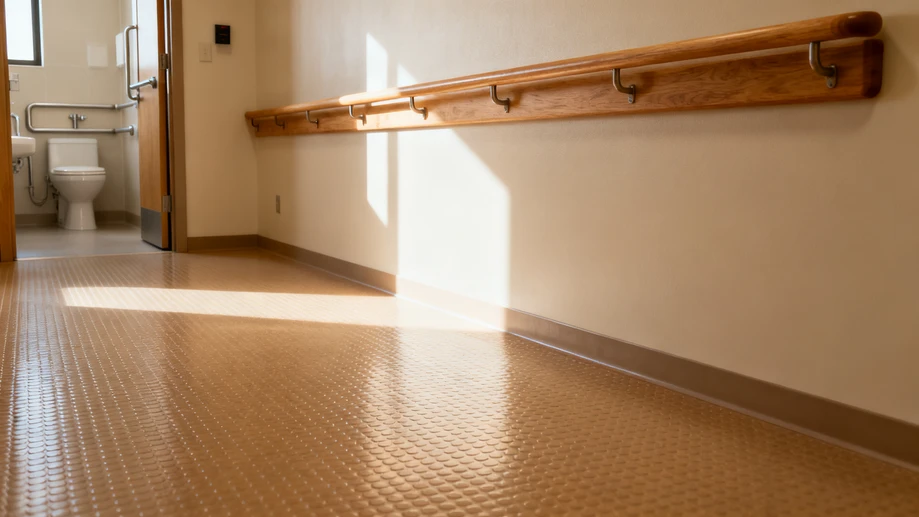
Bathrooms emerge as the most frequent scene for accidents, where slippery surfaces meet limited mobility. Anti-slip mats perform better when paired with vertical grab bars secured into wall studs rather than suction cup alternatives that detach under pressure. Position these near toilets and showers where balance shifts frequently occur. A lesser-known strategy involves installing temperature-controlled faucets to prevent sudden jerking movements caused by scalding water, which disrupts stability. Small details make dramatic differences: contrasting colored tape on stair edges improves depth perception while motion-activated night lights guide midnight bathroom trips without blinding wakefulness.
Clutter accumulation presents another invisible threat, particularly in pathways between bedrooms and kitchens. Tackle this systematically by reorganizing high-traffic zones using the "three-foot rule" – maintain clear walking corridors at least this wide. Replace floor-level electrical cords with wall-mounted outlets and relocate frequently used items from top cabinets to waist-high drawers. Pay special attention to pet accessories like food bowls or toys that create surprising obstacles during nighttime wandering. An interesting case study showed that simply removing low coffee tables reduced falls by 34% in monitored households within six months.
Flooring transitions require special consideration since shifts between tile, wood, and carpet confuse depth perception. Replace thick area rugs with low-pile wall-to-wall carpeting secured with non-slip padding. Apply anti-slip coatings to polished hardwood and install ramped thresholds instead of abrupt step-ups between rooms. Senior balance specialist Dr. Ellen Wong notes, "Feet shuffle more with age, so even quarter-inch elevation changes become significant trip points." For those needing quick solutions, adhesive transition strips provide immediate safety upgrades without renovation costs.
Smart technology offers promising assistive solutions through discreet integration. Pressure-sensitive floor mats alert caregivers when someone rises unexpectedly at night, while voice-activated lighting eliminates fumbling for switches. Wireless wearable pendants now feature automatic fall detection using gyroscopic sensors, though their effectiveness increases when layered with environmental modifications. A little-known fact involves proper footwear: treaded slippers worn indoors prevent more falls than bare feet or socks by providing grip and reducing foot pain that alters gait patterns over time.
Beyond physical adjustments, balance enhancement through daily micro-exercises proves invaluable. Simple routines like standing on one leg while brushing teeth or practicing chair squats strengthen core stabilizers significantly. Tai chi sessions twice weekly demonstrate remarkable fall reduction statistics by improving proprioception – the body's awareness of its position in space. Community centers often offer free virtual classes specifically designed for seniors with limited mobility, making this accessible regardless of fitness levels or transportation barriers.
Ultimately, creating elder-safe homes requires viewing familiar spaces through new lenses. The investment pales compared to medical costs from a single fracture, not to mention preserving independence. Simple modifications become acts of profound respect, allowing cherished family members to navigate their golden years with dignity and security. Start with one high-risk area this week, and witness how small changes create monumental differences in quality of life.