
Effective Techniques Caregivers Employ to Soothe Patient Anxiety in Everyday Settings
Discover practical non-medical approaches like breathing exercises and music therapy that reduce fear and improve patient comfort during daily caregiving.
The role of a caregiver extends far beyond physical assistance, often touching on the emotional landscape of those they support. Anxiety is a common challenge for patients, especially those dealing with long-term illnesses, as uncertainty and discomfort can amplify feelings of fear. This heightened stress not only diminishes the patient's quality of life but also complicates the caregiving process, making routines like bathing or medication management more taxing. However, caregivers have developed innovative yet simple methods to address this issue head-on, focusing on creating a calming environment without resorting to pharmaceutical interventions. By embracing these techniques, they foster trust and collaboration, turning potentially tense moments into opportunities for connection and relief.
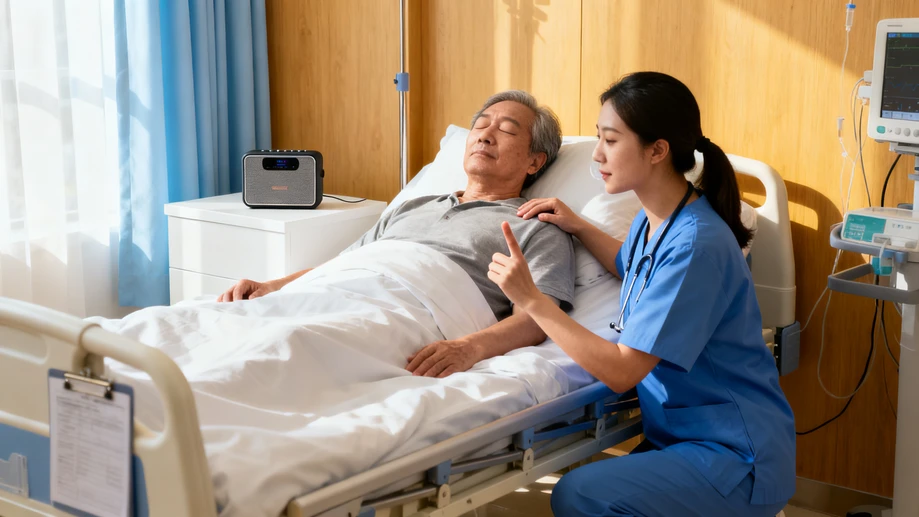
One of the most accessible strategies is the implementation of rhythmic breathing exercises, which caregivers can guide patients through during moments of distress. For instance, a caregiver might instruct a patient to inhale slowly for a count of four, hold for two seconds, and exhale steadily for four counts, repeating this cycle multiple times. This simple practice harnesses the body's natural relaxation response, slowing the heart rate and lowering cortisol levels, thereby reducing the immediate sensations of panic. Studies show that consistent use of such breathing techniques can decrease anxiety symptoms by up to 30% over a few weeks, making it an invaluable tool in non-urgent situations like waiting for appointments or settling down for the night. Moreover, this approach requires no special equipment, allowing caregivers to integrate it seamlessly into daily interactions and build a sense of routine that empowers patients.
Building on this foundation, music therapy emerges as another powerful tool, with caregivers skillfully selecting tunes to evoke positive emotions and distract from discomfort. Choosing calming melodies with slow tempos and steady rhythms, such as classical or nature-inspired sounds, can help synchronize the patient's breathing and heart rate, creating a soothing auditory cocoon. Research indicates that listening to such music for just 20 minutes daily can significantly lower anxiety levels, as it activates brain regions associated with pleasure and relaxation while quieting those linked to stress. Furthermore, this method is highly adaptable—caregivers can play music during routine tasks like dressing or meal times, transforming mundane activities into therapeutic experiences. For example, soft instrumental pieces might accompany a morning routine, subtly shifting the patient's focus from pain to harmony and fostering a more cooperative atmosphere.
Delving deeper into the science behind these methods, a key principle involves the synchronization of physiological rhythms, where repetitive auditory or respiratory cues align with the body's internal processes to promote calm. Known as entrainment, this phenomenon occurs when external stimuli, like the steady beat of music or the cycle of breaths, cause biological functions such as heart rate and brain waves to match their pace. This reduces the chaotic signaling in the nervous system, effectively dampening anxiety responses and restoring balance. Caregivers leverage this insight by maintaining consistent, predictable patterns in their interactions, which subconsciously reassures patients and builds a foundation for long-term emotional stability. Ultimately, understanding this small but crucial knowledge empowers caregivers to tailor their approach, ensuring that techniques are not just applied but optimized for each individual's needs, enhancing overall effectiveness.
Ultimately, the adoption of these anxiety-reducing techniques yields profound benefits, enhancing both patient well-being and the caregiving journey. Patients who experience reduced fear report better sleep, improved appetite, and greater engagement in recovery activities, leading to faster healing and fewer complications. For caregivers, this translates to less burnout and a more fulfilling role, as they witness firsthand the positive transformations in those they support. As more caregivers incorporate these simple, evidence-based methods into their daily practice, the entire care ecosystem evolves toward a more compassionate and efficient model. By focusing on accessible solutions like breathing and music, we can create environments where anxiety is managed with ease, paving the way for a healthier, more harmonious future in personal care.