
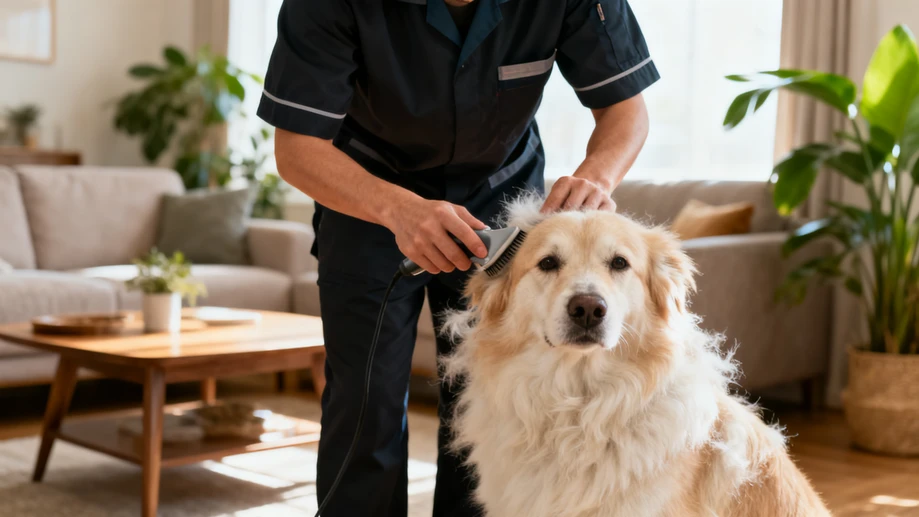
The Growing Need for Pet Care Services Within Home Assistance
Exploring how companion animals are reshaping household support industries and creating specialized opportunities
Modern households increasingly consider pets as integral family members, a shift transforming the home care landscape dramatically. This emotional elevation of animals from mere property to beloved companions has created ripple effects across service industries. Where traditional home care focused solely on human needs, today's providers must adapt to a dual responsibility: caring for both people and their animal counterparts. The phenomenon isn't isolated to pet-centric homes; even families primarily seeking elderly care or childcare now frequently request assistance with their furry residents. This evolution reflects broader societal changes where pet ownership intersects with urban lifestyles, smaller living spaces, and dual-income households needing comprehensive support systems.
Statistics reveal this emerging market's substantial growth, with pet-inclusive home care requests increasing approximately 40% annually over the past three years. This surge isn't merely about feeding cats or walking dogs; clients seek specialized skills like administering medication, recognizing distress signals, and managing pet-related emergencies. Particularly for elderly clients, pets often serve as emotional anchors, making their wellbeing inseparable from the owner's mental health. Caregivers report that maintaining pet routines reduces anxiety in dementia patients and provides comfort during medical recoveries. The practical implications are profound: a caregiver unable to manage a client's anxious terrier might unintentionally compromise the entire household's stability.
Industry adaptation has been both rapid and innovative. Training programs now incorporate animal behavior modules, teaching techniques for calming anxious pets or safely introducing caregivers to protective animals. Certification bodies have developed specialized credentials validating skills in pet first aid, species-specific nutrition, and coexistence strategies for multi-pet households. Agencies increasingly screen workers for animal experience alongside traditional background checks, recognizing that a caregiver's comfort with pets directly impacts service quality. This professionalization extends beyond dogs and cats to include exotic companions like birds, reptiles, and therapeutic support animals requiring unique handling protocols.
Service diversification reflects these changing demands. Standard home care packages now often include "pet passes"—dedicated time blocks for animal care tasks. Premium offerings feature coordinated veterinary transportation, grooming assistance, and even temporary pet hosting during client hospitalizations. Technology integration allows remote monitoring of pet activity through smart feeders and cameras, enabling caregivers to intervene promptly when irregularities occur. The most successful providers develop holistic care plans where pet routines synchronize with human schedules, such as aligning dog walks with a client's physical therapy exercises to encourage mutual participation.
This paradigm shift presents both challenges and opportunities for workers entering the field. While traditional home care skills remain foundational, animal competency now significantly impacts employability and earning potential. Caregivers with demonstrated pet expertise often command 15-20% higher wages and secure more consistent assignments. However, the role requires navigating complex liability landscapes; agencies increasingly carry specialized insurance covering pet-related incidents. Workers must balance affection with professionalism, maintaining boundaries with animals that clients consider family while avoiding emotional overinvestment that could cloud judgment during emergencies.
Looking forward, the integration of pet care into home services appears irreversible and expanding. Industry analysts predict that within five years, pet-inclusive care will transition from premium offering to standard expectation, similar to how Wi-Fi became essential in hospitality. Research institutions are beginning formal studies on how coordinated human-animal care impacts health outcomes and hospitalization rates. As pet ownership continues rising alongside aging populations, this specialized service niche represents not merely a trend, but a fundamental redefinition of what constitutes comprehensive home care in the modern era.