
The Unseen Benefits of Horticultural Therapy in Home Care Services
How plant cultivation is becoming a transformative tool for caregivers and patients in domestic settings
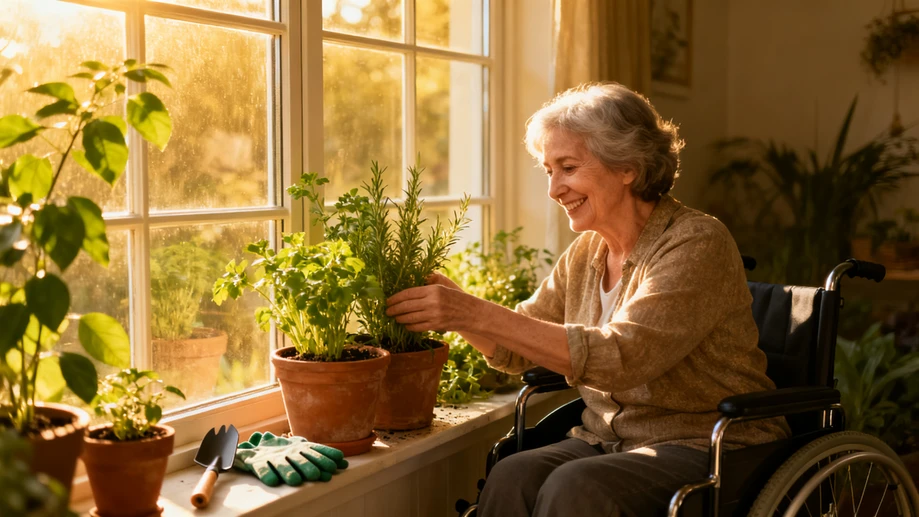
Gardening gloves and trowels are quietly joining the standard toolkit of home care professionals across the globe. This emerging trend integrates horticultural therapy into routine caregiving, creating surprising benefits beyond traditional medical approaches. For elderly patients or those recovering from illness, the simple act of nurturing plants provides measurable improvements in both physical rehabilitation and emotional wellbeing. Caregivers report that tending to living things sparks conversations that wouldn't otherwise occur, breaking through social isolation barriers that often accompany aging or chronic conditions. As one home care agency director noted, "We've seen non-verbal dementia patients begin communicating while watering seedlings."
Scientific research increasingly supports what practitioners observe daily. Studies demonstrate that regular interaction with plants lowers cortisol levels by up to 16% among homebound individuals. The physical aspects of gardening—digging, planting, and pruning—offer low-impact exercise that improves motor skills without the intimidation of formal physical therapy. Neurologists have documented how the combination of sensory stimulation and nurturing behavior activates neural pathways associated with pleasure and purpose. Remarkably, even caring for a single potted herb on a windowsill produces measurable reductions in anxiety symptoms according to controlled trials.
Implementation requires thoughtful adaptation to individual living spaces and mobility levels. Caregivers now receive training in creating accessible gardening solutions—vertical planters for wheelchair users, raised beds that eliminate bending, and lightweight tools with ergonomic grips. The therapy proves most effective when plants are selected for their sensory qualities: fragrant herbs like lavender for relaxation, velvety lamb's ear leaves for tactile stimulation, or vibrant marigolds for visual engagement. Success stories include stroke survivors regaining fine motor control through seed-planting exercises and depression patients establishing daily routines around plant care.
Beyond measurable health outcomes, this approach transforms the caregiver-patient dynamic. Shared gardening activities create natural collaboration, shifting relationships from transactional caregiving to meaningful co-creation. The living garden becomes a neutral territory where both parties engage as equals, fostering dignity and mutual respect. As plants grow and change, they provide organic conversation starters that feel more natural than forced therapeutic questioning. This subtle shift proves particularly valuable for patients resistant to traditional therapy methods.
Looking forward, horticultural therapy's integration into home care represents more than a passing trend. It signals a broader recognition that healing encompasses emotional and psychological dimensions beyond physical symptoms. Training programs now include modules on therapeutic garden design, while insurance providers increasingly cover horticultural interventions as part of rehabilitation plans. The approach's scalability—from apartment windowsills to backyard gardens—makes it uniquely adaptable to diverse living situations. As research continues to validate its benefits, this green revolution in home care promises to grow deeper roots in how we support wellness at home.