
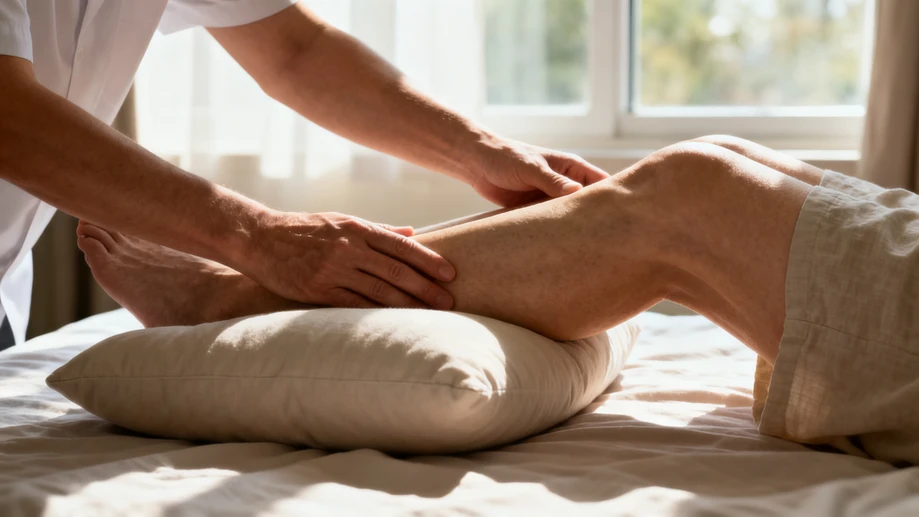
The Gentle Art of Turning: A Bedridden Patient's Best Defense Against Pressure Sores
Mastering proper repositioning techniques prevents painful complications and preserves dignity in long-term care scenarios.
Imagine your elbow after leaning on a desk for hours – that persistent ache mirrors what bedridden patients feel magnified tenfold. Pressure ulcers, often called bedsores, develop when constant pressure cuts off blood flow to vulnerable skin areas. These aren't merely painful nuisances; they escalate into deep tissue wounds exposing bone, inviting infections, and prolonging hospital stays. The startling reality is that proper turning – the simple act of shifting a patient's position – stands as the most powerful shield against this silent tormentor. Most caregivers underestimate its life-altering impact until witnessing the devastation of advanced pressure sores firsthand.
Turning isn't about brute strength but strategic movement. Every two hours marks the critical window; beyond this, tissue damage begins its insidious work. Target bony prominences – hips, heels, shoulder blades, and the tailbone – which bear the body's weight like pillars against the mattress. The ideal repositioning follows a rhythmic sequence: left side, back, right side, then back again. Picture it as a gentle, continuous dance rather than a chore. Use pillows generously as allies; slide one behind the back when side-lying to prevent rolling backward, and place another between bony knees to reduce friction. These simple props transform pressure distribution dramatically.
Communication becomes the invisible cushion during this process. Before moving, always explain each step to the patient – "I'll support your shoulder first, then your hip" – turning actions into collaboration. Watch for subtle winces or stiffening; these signal discomfort before skin reddens. Pay special attention after turning; lingering redness indicates pressure points demanding extra relief next time. Never drag a patient across sheets, as the friction literally scrapes skin cells away. Instead, lift completely using draw sheets or enlist another helper. The bed surface itself matters immensely; while specialized mattresses help, they cannot replace attentive repositioning by human hands.
This discipline extends beyond day shifts. Night turns prove especially challenging yet critical when caregivers grow weary. Establish alarms or rotate responsibilities if possible. Record turning times meticulously; patterns emerge showing which positions sustain skin integrity best. Remember, nutrition partners with positioning; undernourished skin tears like tissue paper. Protein intake directly fuels tissue repair mechanisms fighting pressure damage. Hydration matters equally; parched skin cracks under pressure far quicker than supple skin.
Some dismiss turning as low-skill work, yet its mastery demands anatomical insight and predictive vigilance. An experienced caregiver spots a developing sore days before it surfaces – an area feels unusually warm or spongy under light fingertip pressure. This foresight allows intervention before breakdown occurs. Technology like pressure-sensing mats offers data, but nothing replaces the trained hand assessing skin resilience during each turn. Consistency here is non-negotiable; missing just two turn cycles risks irreversible damage.
Ultimately, this practice embodies profound respect. Each careful turn declares, "Your body matters." It prevents agony, preserves autonomy for those who've lost so much mobility, and honors the inherent dignity of every individual. In the quiet rhythm of two-hour turns, caregivers wage a preventive war against suffering. This fundamental act, perfected through attention and consistency, transforms ordinary care into an extraordinary shield protecting the most vulnerable among us.