
The Silent Threat in Every Senior's Home Can Be Conquered with One Simple Change
Falls are the leading cause of injury among the elderly, but most accidents are preventable by rearranging household items strategically.
Imagine the comfort of familiar surroundings suddenly transforming into a hazard zone – this is the daily reality for many seniors navigating their own homes. While family caregivers often focus on medications or nutrition, environmental dangers lurk in plain sight. The bathroom mat curled at the corner, the dimly lit hallway, the electrical cord snaking across the floor – these seemingly insignificant details hold terrifying potential. Research reveals a staggering statistic: every 11 seconds, an older adult is treated in emergency rooms for fall-related injuries in the U.S. alone. The physical and emotional toll reverberates through families, turning independence into apprehension.
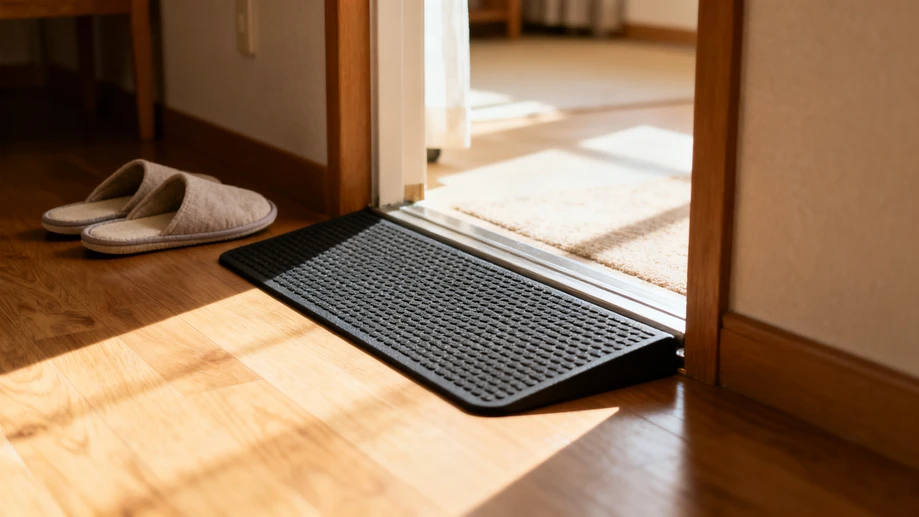
Surprisingly, one often-overlooked culprit hides beneath our feet: thresholds and floor transitions. These subtle height variations between rooms, sometimes barely half an inch, become treacherous obstacles for aging legs or unsteady gaits. The simple act of stepping from a tiled kitchen onto a carpeted living room requires balance and leg lift that diminish with age. A fascinating piece of knowledge often missed is that filling these small gaps with transition ramps made from rubber or tapered wood can reduce tripping incidents by nearly 40%. This inexpensive fix exemplifies how understanding specific environmental risks makes homes safer.
However, conquering floor hazards is just the starting point for creating a truly secure environment. Lighting plays an equally crucial role, particularly during nighttime navigation. Consider the path an elderly person might take from the bedroom to the bathroom – often the most perilous journey in the dark. Installing motion-activated night lights along hallways and stairs provides gentle illumination without disrupting sleep. Replacing standard light switches with illuminated rocker switches helps locate them easily in dim conditions. Strategic placement avoids casting confusing shadows that could obscure steps or objects on the floor.
Beyond physical adjustments, preventing falls requires rethinking everyday clutter. Excess furniture, decorative rugs, and electrical cords create obstacle courses. The solution involves a dedicated streamlining effort: creating clear, wide pathways at least 36 inches across all primary routes. Removing unnecessary items like magazine racks near walkways or relocating charging stations prevents accidental entanglement. Securing loose rugs with double-sided tape or removing them entirely eliminates major slipping hazards. Ensuring frequently used items are easily accessible without stretching or bending reduces risky maneuvers.
Ultimately, transforming a home into a sanctuary for aging requires viewing it through a new lens. Small, deliberate changes compound into significant protection, safeguarding dignity and independence. Engaging the senior in the process fosters ownership over their safety. Consulting with occupational therapists offers tailored solutions. This proactive approach replaces fear with confidence, allowing golden years to shine in the comforting embrace of a secure home.