
Simple Steps to Prevent Falls at Home for Elderly Loved Ones
Practical strategies to create a safe living environment and reduce accidental injuries among seniors
Every year, countless elderly individuals experience falls within their own homes, leading to injuries that dramatically impact their independence and quality of life. While these incidents may seem like inevitable accidents, research reveals that most are preventable with thoughtful preparation. The bathroom, kitchen, and staircases transform from familiar spaces into potential hazard zones due to wet surfaces, loose rugs, or poor lighting. Recognizing these danger areas is the crucial first step toward building a secure environment where seniors can move confidently.
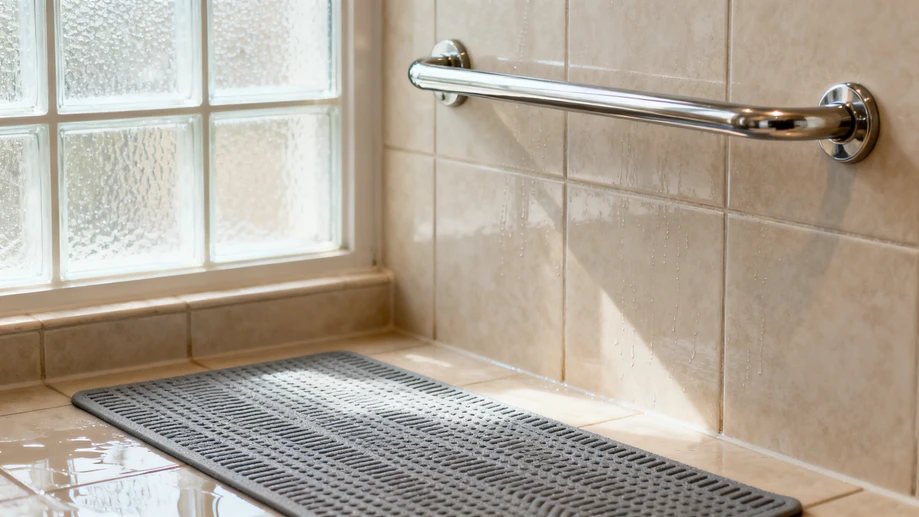
Surprisingly, simple environmental modifications yield remarkable results in fall prevention. Installing grab bars near toilets and showers provides essential stability points, while non-slip mats prevent slippery disasters in wet areas. Removing clutter like electrical cords or loose floor mats eliminates common tripping hazards throughout hallways. Strategic lighting enhancements, especially nightlights along pathways to bathrooms, ensure clear visibility during nighttime movement. These changes often require minimal investment yet fundamentally transform home safety dynamics.
Beyond physical adjustments, personal habits significantly influence fall risk. Regular exercise routines focusing on balance and leg strength build crucial physical resilience. Tai chi, gentle yoga, or even daily seated leg lifts can dramatically improve stability. Nutritional awareness matters equally—adequate vitamin D and calcium intake supports bone health, potentially reducing fracture severity if falls occur. Medical reviews also prove vital; some medications cause dizziness, while vision checks ensure proper depth perception and obstacle recognition during movement.
Technology offers innovative solutions through unobtrusive monitoring systems that detect unusual inactivity patterns. These devices alert caregivers without compromising privacy, providing reassurance for seniors living independently. Emergency response pendants remain valuable lifelines when immediate help is required. Equally important is footwear awareness—properly fitted, non-slip shoes with firm soles prevent indoor slips far better than socks or flimsy slippers. Family members can further assist by conducting seasonal safety sweeps, checking outdoor pathways for ice or uneven surfaces during colder months.
Ultimately, fall prevention combines practical home modifications with proactive health management. When families and caregivers implement these layered strategies, they create environments where seniors thrive with dignity. Every secured rug, every installed handrail, and every balance exercise contributes to preserving precious independence. Through awareness and action, we transform homes into sanctuaries of safety where golden years unfold with grace and confidence.