
The Unassuming Sensory Boxes That Make Home Care Work More Gentle
A little known, fast-spreading practice among in-home care workers is drastically reducing anxiety episodes for elderly clients living with memory loss, no fancy medical equipment required.
For years, public conversations about home care support have centered on standardized checklists, hourly rates, and basic practical tasks ranging from meal preparation to mobility assistance. Few mainstream discussions pay attention to the tiny, unscripted choices that frontline care workers make every day to make their clients feel safe and seen, until a handful of viral short clips shared among care worker communities sparked a widespread trend of making custom sensory memory boxes for clients with progressive cognitive decline. What started as a handful of individual caregivers’ personal experiments has turned into a beloved, widely shared tip that many consider one of the most effective low-cost interventions in the entire industry.
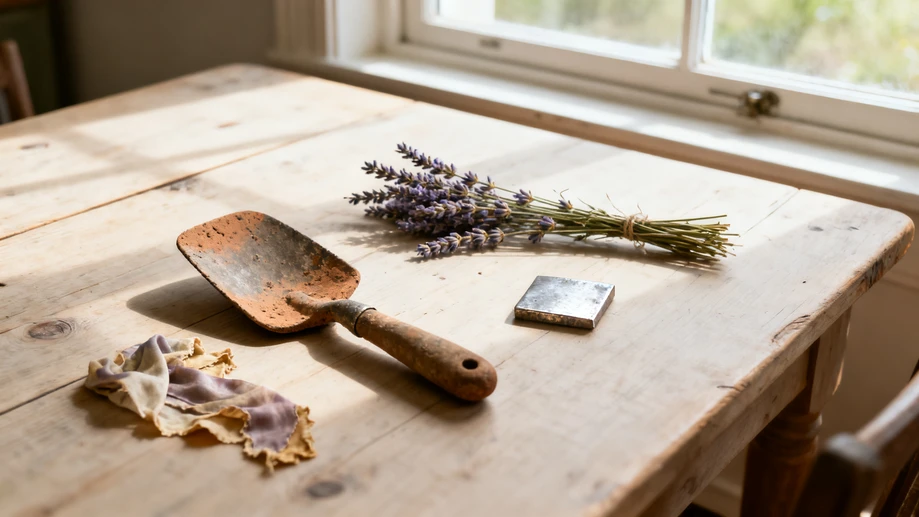
These boxes do not contain any expensive, mass-produced therapy supplies. Caregivers fill them with small, easy to source items that tie directly to their specific client’s unique life history, collected over weeks of casual conversation and observation during daily shifts. A woman who spent decades tending a vegetable garden might find dried lavender stems and a small worn trowel head tucked in her box, while a former factory line worker could hold a smooth, cool piece of polished scrap metal from his old workshop that fits perfectly in his palm. No two boxes look exactly the same, because every set of contents is built around the specific, unshared memories of the person who will use it.
The impact of these simple collections is often far more powerful than formal, professionally designed therapy tools. Many caregivers report that clients who experience regular late-afternoon confusion, wandering, or sudden bouts of unprovoked frustration will calm down almost immediately when they are handed a familiar sensory item from their personal box. The rough texture of a well-worn woolen scarf can pull a person out of a disorienting panic spiral far faster than repeated verbal reassurance, and the soft scent of an old bar of lavender soap sealed in a small cloth sachet can trigger quiet, gentle stories about long forgotten family trips that the client rarely talks about otherwise.
Unlike formal industry training modules that require certification, this trend has spread almost entirely through word of mouth between working caregivers, who swap tips for finding low cost items at secondhand markets, garage sales, and even their own attics. Many care workers keep a small running note of little details their clients mention in passing, a line about how their mother always baked apple pie with cinnamon, a story about picking up smooth sea glass on childhood beach trips, so they can pick up a relevant small item the next time they pass a local thrift store. There is no official rulebook, no quality standard enforced by management, every box is a labor of personal attention that reflects the time the caregiver has spent getting to know the person they support.
This small, grassroots trend is also shifting public perceptions of what home care work actually entails. Too many people still frame professional home care as a low-skill, physically demanding service focused only on meeting basic survival needs, but these sensory memory boxes make it clear that the best care work relies on quiet, empathetic observation that no automated system or standardized checklist can replicate. For many caregivers, making these boxes is not an extra chore they have to fit into their shift, it is the part of their work that feels the most rewarding, when they can connect with a client in a quiet, genuine way that no formal job description ever asks them to do.