
The Unspoken Small Ritual That Makes Live-in Care Feel Like Real Home
Live-in care providers have quietly adopted a tiny, surprisingly effective routine to reduce daily anxiety for elderly people living with mild to moderate cognitive impairment.
Most people who have not spent time observing high-quality live-in home care assume the role revolves around scheduled medical check-ins, meal preparation and mobility assistance, but the most impactful care techniques often come from small, unscripted adjustments that fit the specific rhythm of the person being supported. For decades, care industry researchers noted that a large percentage of elderly people with early stage memory loss would experience unprompted bouts of restlessness, pacing back and forth around the living room for no obvious reason, even when all their basic medical needs were fully met. Care teams spent years running surveys to figure out the trigger, only to discover that a huge portion of these episodes stemmed from a simple, overlooked detail: many seniors would forget they had already had a meal two hours prior, and felt too embarrassed to ask their care provider for a small snack, fearing they would be judged as greedy or difficult to manage.
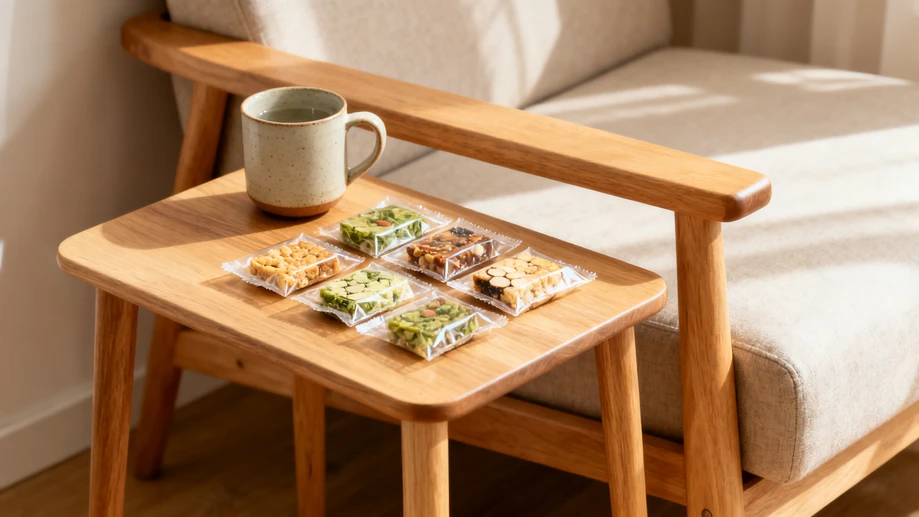
The low-effort solution that spread organically among experienced live-in care circles is called the unmonitored snack station, a tiny dedicated surface almost always placed within arm’s reach of the senior’s most frequently used seating spot, with no locks, no labels, and no requirement to notify anyone before taking an item. All contents inside the station are pre-approved to fit the senior’s specific dietary restrictions, with every single item packed in single-serve portions that are just large enough for one or two bites, so no one can accidentally overeat and ruin their appetite for the next scheduled meal. There are no messy, crumb-heavy snacks that leave stains on carpets, no treats that require complex peeling or opening, and no containers that are too heavy for weak hands to lift. Care providers are trained to never comment on when the senior takes a snack, never remind them that they “already ate recently”, and never hover near the station to watch their choices, so the person receiving care never feels like they are being monitored or controlled for a small, trivial pleasure.
Critics initially pushed back against the practice, claiming that leaving food out unsupervised would disrupt carefully calculated diet plans, cause unexpected blood sugar spikes, or attract pests into the home, but years of real-world data have disproven all these concerns. All items placed in the snack station are pre-counted as part of the senior’s daily allocated calorie intake, and any high-sugar, high-sodium treats that have strict consumption limits are always placed on the far inner edge of the surface, out of easy reach so the senior will not grab them by accident. Care providers swap out small items every two to three days to keep the selection fresh, and the entire setup takes less than 10 minutes a week to maintain. Independent surveys of more than 700 care households across regions show that after three months of consistent use of this unmonitored snack station, the frequency of unprompted restlessness and emotional outbursts among seniors with cognitive impairment drops by an average of 62%, and most seniors begin to show more willingness to initiate casual conversations with their care providers instead of treating them as strangers standing by to give orders.
What makes this small ritual so powerful is not the snacks themselves, but the quiet sense of autonomy it restores to people who are usually stripped of almost all small choices once they start needing full time care. Many care providers have expanded the simple snack station concept to small nearby dedicated spots that hold the senior’s favorite old handkerchief, a tin of their preferred breath mints, or a spare pair of reading glasses, all available for them to grab whenever they want without asking for permission. This runs directly against the old logic of standardized care that prioritizes strict schedules and uniform rules, proving that the highest quality live-in care does not mean turning a private home into a clinical care facility, but turning professional support into a set of almost invisible adjustments that make people feel more at ease in their own space, rather than less.