
The Quiet Joy of Spontaneous Sensory Strolls During Live-in Care Shifts
This article introduces a little-known, highly practical care practice that helps live-in caregivers reduce emotional burnout and build warmer, more trusting bonds with the people they support.
Most new live-in caregivers spend their first weeks on the job memorizing rigid, minute-by-minute schedules drafted by family members or care agencies, marking down exact windows for medication administration, physical therapy sessions, meal prep, hygiene routines and pre-approved recreational activities. They often assume that a perfect shift means ticking every single box on that pre-written list without delays, deviations or unplanned moments, which usually leaves both the caregiver and the care recipient feeling drained, restricted and constantly waiting for the next mandatory task to begin. Many even report that after months of following this strict structure, they start seeing the person in their care as a checklist of needs rather than a full, complex individual with unique memories, preferences and small curiosities that never get space to surface.
The small, underrated practice that fixes most of this unnecessary friction takes almost no extra planning, costs no money at all, and only requires 10 to 15 minutes of free time a couple of times each week: the unplanned sensory stroll, which does not involve any pre-set destination, step goal or scheduled activity. Unlike structured outdoor walks that require proper footwear, weather checks and advance confirmation from family members, these strolls can happen anywhere within the home or the immediate 50-meter radius around the residential property, with no agenda other than noticing small, gentle sensory details that both the caregiver and care recipient can engage with at their own pace.
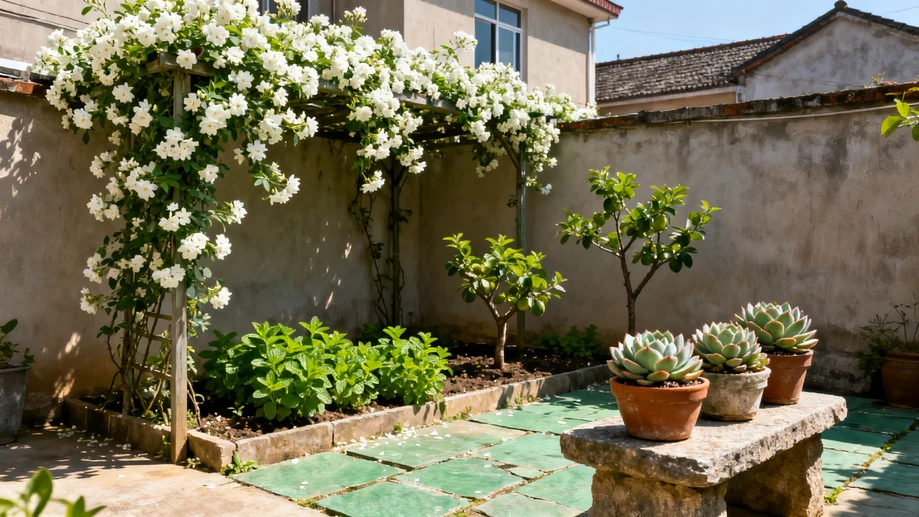
A stroll might start with the caregiver mentioning they noticed the sweet smell of jasmine drifting through the kitchen window while they were washing dishes, and inviting the care recipient to step over to the side of the house to take a closer look at the flowering vine. They can pause to run a finger over the rough, sun-warmed bark of an old potted fruit tree growing on the patio, pluck a single fresh mint leaf from the herb bed to crumple between their fingers, or even pause on the back porch to feel the soft breeze blow across their palms. For care recipients with cognitive impairment or limited mobility, these small, low-stakes moments rarely trigger the resistance that often comes when they are told they “have” to go for a walk or complete a therapeutic activity, and they often trigger unplanned, warm conversations about old memories related to gardens, home cooking or quiet afternoons spent outside.
Caregivers who have adopted this tiny practice consistently report that it not only improves the mood of the person they are looking after, but also drastically reduces their own risk of work-related burnout. Many note that before they started these small strolls, they would spend every free minute scrolling on their phones to pass the time until their shift ended, never truly feeling present in the space they shared with their care recipient. After a few weeks of regular sensory strolls, most find that they have built a far more natural, relaxed rapport, to the point that the care recipient will often initiate a stroll themselves, pointing to a window to indicate they want to go check if the cherry tomato plant on the balcony has grown new fruit.
At its core, high quality live-in care is never about hitting 100 percent compliance on a printed checklist of tasks. The most meaningful parts of the job almost always come from unscripted, small moments that cannot be planned or scheduled in advance, and these casual sensory strolls turn a role that many people see as a grueling, repetitive service job into a shared experience full of tiny, gentle joys that benefit both people involved. It does not take any specialized training or expensive resources to implement, and it can turn even the most ordinary, quiet weekday inside a residential home into something worth looking forward to.