
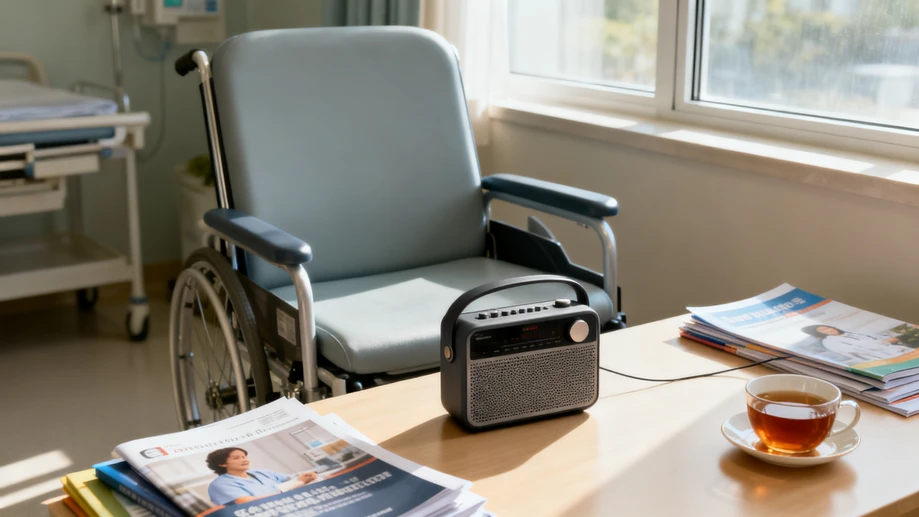
The Gentle Harmony of Music Therapy in Caregiver Companionship
Unlocking emotional connections and reducing patient anxiety through scientifically-backed musical interventions in daily care routines
Caregiving often involves navigating complex emotional landscapes, where loneliness and anxiety can cast long shadows over both patients and their companions. In the quiet moments of a nursing home or a patient's private room, the absence of meaningful interaction can amplify feelings of isolation, leading to a cycle of stress that undermines the very essence of compassionate care. Yet, amidst these challenges, a simple yet profound tool has emerged as a beacon of hope: music therapy. This approach doesn't require expensive equipment or specialized training; instead, it harnesses the universal language of melody to bridge gaps in communication and foster a deeper sense of connection. By integrating familiar tunes into routine care, caregivers can transform mundane tasks into opportunities for joy, subtly shifting the atmosphere from one of tension to tranquility. The beauty lies in its accessibility—any caregiver can incorporate this into their practice with minimal effort, making it a practical solution for enhancing emotional well-being in high-stress environments.
Transitioning from theory to practice, music therapy operates on well-documented psychological principles. When a caregiver plays a patient's favorite song during a bath or meal, the rhythmic patterns and harmonies activate neural pathways associated with memory and emotion. Scientific studies show that music stimulates the release of dopamine, a neurotransmitter linked to pleasure and reward, which can significantly reduce cortisol levels—the hormone responsible for stress responses. For elderly patients with dementia, this effect is particularly potent; familiar melodies from their youth can evoke vivid recollections, momentarily alleviating confusion and agitation. Moreover, the act of shared listening creates a non-verbal dialogue, allowing caregivers to build trust without the pressure of conversation. This isn't just about distraction; it's about creating a therapeutic environment where patients feel understood and valued, thereby improving their overall mood and cooperation during care activities. The simplicity of this intervention belies its power, as it requires nothing more than a smartphone or a small speaker to initiate profound changes.
However, the benefits extend beyond patients, offering a lifeline for caregivers themselves. In the demanding world of care work, emotional burnout is a common pitfall, with long hours and intense interactions draining resilience. Incorporating music into daily routines provides caregivers with a shared respite, turning moments of fatigue into opportunities for mutual rejuvenation. For instance, humming a calming tune while assisting with mobility exercises can lower the caregiver's own heart rate and promote mindfulness, creating a ripple effect of calm that permeates the entire session. This dual impact—soothing both parties—highlights how music therapy serves as a cost-effective strategy for stress management. It doesn't replace professional mental health support but complements it by fostering a positive feedback loop: as caregivers feel more centered, they deliver higher-quality care, which in turn boosts patient outcomes. The key is consistency; even brief, daily musical interludes can accumulate into significant improvements in emotional health over time.
Implementing this technique effectively requires thoughtful consideration of individual preferences and context. Caregivers should start by observing the patient's reactions to different genres—classical, folk, or jazz—to identify what resonates most. Simple steps include selecting songs with slow tempos for relaxation or upbeat melodies for motivation during physical therapy. Timing is crucial; playing music during transitions, such as from bed to wheelchair, can ease anxiety by providing a predictable auditory anchor. Additionally, involving patients in the choice, such as asking them to hum along or tap rhythms, empowers them and enhances engagement. Practical tips like using noise-canceling headphones in noisy environments ensure the therapy remains focused without disrupting others. Crucially, caregivers must avoid overcomplicating it; the goal is to integrate music naturally, not as a performance but as a supportive backdrop. This approach minimizes resistance and maximizes acceptance, making it adaptable to diverse care settings, from home-based care to institutional facilities.
Ultimately, the transformative potential of music therapy in caregiving lies in its ability to humanize the experience, turning routine tasks into shared moments of harmony. As research continues to validate its efficacy, this small knowledge nugget—rooted in neuroscience and empathy—offers a scalable solution to some of care's most persistent challenges. By embracing such accessible innovations, caregivers can cultivate environments where compassion thrives, proving that sometimes, the simplest melodies hold the greatest power to heal and connect.