
Preventing Falls Among Seniors Is a Vital Part of Home Care Services
Practical Strategies to Reduce Risks and Enhance Safety in Daily Living Environments
Imagine standing on a slowly tilting floor while juggling delicate glassware – this mirrors the balance challenges many seniors face daily. Falls remain the leading cause of injury-related hospitalizations among older adults, creating ripples of physical trauma and psychological fear. Home care professionals confront this reality routinely, transforming ordinary living spaces into safer territories through preventative measures. The consequences extend beyond immediate harm; a single fall can trigger a downward spiral of reduced mobility and independence. As populations age globally, the need for effective fall prevention strategies becomes increasingly urgent within home care frameworks.
Understanding why falls occur requires examining multiple risk factors converging like invisible tripwires. Diminishing eyesight obscures hazards, while medications may cause dizziness or unsteadiness. Slippery surfaces, inadequate lighting, and cluttered pathways create environmental traps. Research shows that lower body weakness contributes significantly, as do balance disorders often exacerbated by chronic conditions like arthritis or neuropathy. The interplay between physiological changes and home environment creates complex risk scenarios. Identifying individual vulnerabilities forms the foundation of any customized prevention plan, where caregivers act as diagnostic detectives scanning for potential threats.
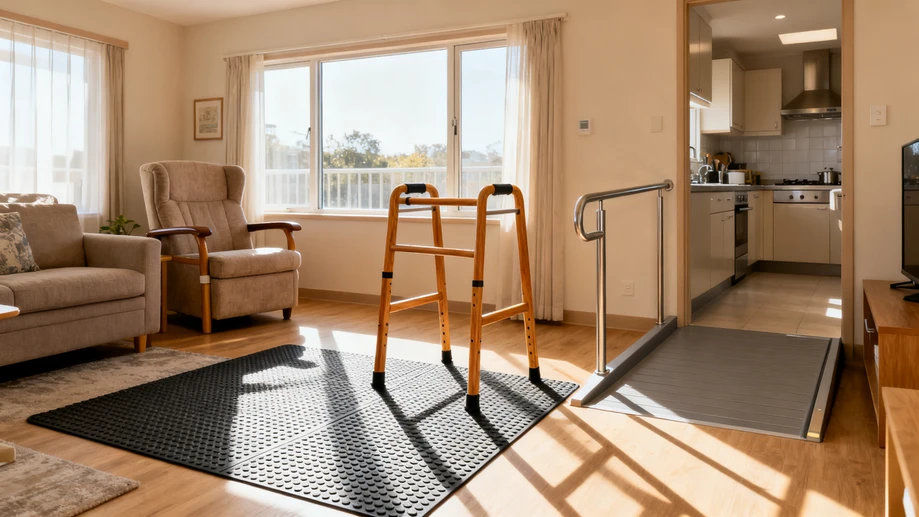
Effective interventions transform homes through practical modifications proven to reduce accidents. Installing grab bars in bathrooms and stair railings provide crucial stability points. Replacing waxed floors with textured surfaces significantly improves traction. Strategic lighting eliminates shadows in hallways and staircases, while removing loose rugs prevents unexpected slips. Assistive devices play a complementary role, with properly fitted canes and walkers functioning as mobility anchors. Occupational therapists often recommend 'home hazard audits', methodically assessing rooms for risks like unstable furniture or electrical cords across walkways. These tangible adjustments form the physical backbone of fall prevention.
Beyond environmental tweaks, strength-building exercises serve as biological armor against falls. Tai Chi routines, with their deliberate weight-shifting movements, enhance proprioception and lower-body strength. Simple seated leg extensions and heel raises rebuild stabilizing muscles without requiring gym equipment. Nutrition also contributes; adequate protein maintains muscle mass, while vitamin D supplementation supports bone integrity and muscle function. Hydration monitoring prevents dizziness from electrolyte imbalances, and medication reviews ensure prescriptions don't impair balance. Caregivers track progress through observable improvements in sitting-to-standing transitions and walking endurance.
Technology introduces innovative monitoring solutions where traditional methods reach limitations. Wearable motion sensors detect unusual movement patterns, sending alerts before a stumble becomes a fall. Smart carpets with pressure mapping identify unsteady gaits, while voice-activated systems summon help without requiring physical reach. Video monitoring ensures privacy by analyzing movement rather than images, triggering alerts only when abnormal motion occurs. These digital tools complement rather than replace human observation, creating comprehensive safety networks. Regular check-ins allow caregivers to validate technology's insights and adjust strategies accordingly.
Preventing falls requires sustained cooperation among all stakeholders. Family members learn to recognize early warning signs like furniture-grabbing or hesitation. Caregivers document near-misses to uncover patterns. Physicians adjust medications contributing to dizziness. Importantly, dignity remains central – safety measures shouldn't infantilize seniors but rather empower their independence. The most successful prevention plans incorporate personal preferences, such as favorite exercise routines or practical footwear choices. This collaborative ecosystem transforms fall prevention from mere damage control into a proactive celebration of sustainable mobility.
Ultimately, the absence of falls represents a silent victory in home care. When implemented thoughtfully, prevention measures create spaces where seniors move confidently through daily routines. Success manifests in uneventful days – no slips on kitchen tiles, no stumbles climbing stairs, no fearful hesitation when rising from chairs. This preventative approach preserves autonomy and prevents costly medical interventions. As home care evolves, integrating environmental design with physical conditioning and technological support offers seniors not just safety, but freedom. The ground beneath their feet becomes steady once more, allowing life's rhythm to continue uninterrupted.