
The Quiet Joy of Co-Created Afternoon Tea Rituals Between Live-in Carers and Household Members
This article unpacks how small, unplanned shared afternoon tea moments turn standard live-in care arrangements into deeply connected, low-stress relationships that benefit both carers and the people they support.
Most families sourcing live-in home care for elderly or long-term care recipients start their screening process by checking professional credentials, emergency response training, and past work experience, rarely stopping to ask about small personal preferences for casual daily leisure. Recent industry surveys of frontline live-in care teams, however, point to a surprising finding: the 15 to 20 minute unstructured break around 3 p.m. every day, often spent sharing a simple cup of hot drink and a small snack, is consistently ranked as the most rewarding, low-pressure moment of the entire workday for more than 68 percent of participating carers. Unlike scheduled care tasks that follow strict checklists for vital sign monitoring, medication administration, or housework, these unscripted moments have no pre-set goals, no performance metrics to hit, and no mandatory notes to fill after the activity ends.
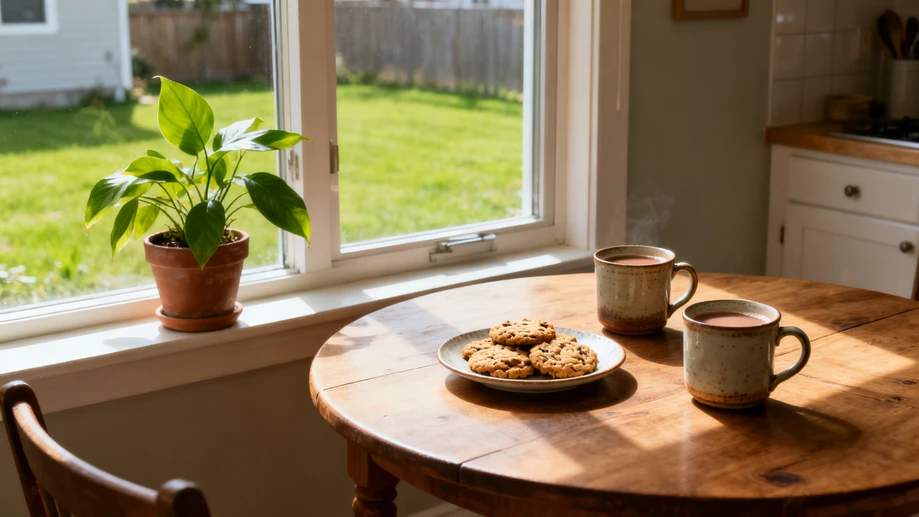
These shared routines almost never follow a pre-written plan, and usually emerge slowly over the first few weeks of the care arrangement. Some households grow the habit around a jar of home-grown mint on the windowsill, others center around a batch of homemade oat biscuits baked the weekend before, and many develop small custom tweaks that no formal care manual could possibly document. During these casual pauses, care recipients often bring up unrecorded personal memories that help carers adjust their approach for the better, such as mentioning they hate overly sweet store-bought pastries after a childhood incident, or that they used to tend a small apple orchard decades ago and love hearing stories about seasonal harvests. These small, personal pieces of context make all subsequent care tasks far more thoughtful and tailored, rather than following a one-size-fits-all generic care plan.
For a long time, many care agencies categorized these unstructured tea breaks as “unproductive time” that took away from paid care hours, but new operational data is prompting many organizations to revise their policies to actively encourage these small shared rituals. Teams that tracked outcomes for 120 live-in care pairs over six months found that groups with a consistent, mutually agreed upon afternoon tea routine reported a 32 percent drop in unplanned anxiety episodes among care recipients, and a 37 percent drop in reported carer burnout cases compared to control groups that stuck strictly to structured task schedules. The low-stakes nature of the shared break dissolves the invisible strict boundary between “service provider” and “care recipient” that often creates unnecessary tension, allowing small, natural acts of mutual care to emerge, from a care recipient handing over a heated foot rest to a tired carer after a long walk, to a carer leaving an extra handful of wild berries they picked on a morning hike on the kitchen counter.
Many families new to live-in care hold a common misconception that every hour a carer spends in the home needs to be filled with pre-approved, formal care tasks, and that any time spent on casual non-work interaction is a waste of paid hours. What most of these families do not realize is that these low-stakes, unstructured shared moments are the invisible glue that makes the entire long-term care arrangement run smoothly and peacefully. It eliminates the awkward silence that often exists between two relative strangers sharing a living space for extended periods, as there is no pressure to perform forced polite conversation while both parties sip warm drinks and watch small birds fly around the garden outside the kitchen window. Over time, these small repeated moments of shared peace build a level of trust that no formal interview or background check can establish.
The best part of this small, transformative daily ritual is that it requires no expensive specialty tea, no artisanal imported pastries, and no carefully curated themed events to feel special. The most beloved versions of these routines often only involve two well-worn ceramic mugs, a simple jar of honey on the side, and two people who have slowly learned each other’s tiny, unspoken preferences over months of shared daily life. This kind of quiet, unglamorous mutual consideration is the core of what makes high-quality live-in care so much more than a list of completed care tasks, and it is often the small, unplanned moments that become the most cherished shared memories for everyone involved.