
The Quiet Sensory Tweaks That Make Live-In Care Feel Like True Home
Small, overlooked adjustments made by attentive live-in caregivers deliver far more daily comfort for long-term care recipients than most expensive professional care tools can provide.
When most people talk about the core responsibilities of live-in home care, they immediately list hands-on tasks such as medication administration, mobility assistance, meal preparation and hygiene support. Few people stop to consider the tiny, almost invisible choices caregivers make dozens of times a day that shape the overall feeling of a living space, turning a generic residential unit into a space that fits the unique needs of the person receiving care. These small choices never show up on standard checklists for care service assessments, and they rarely get highlighted in official care training courses, but they end up being the biggest difference between care that feels clinical and care that feels warm and personalized.
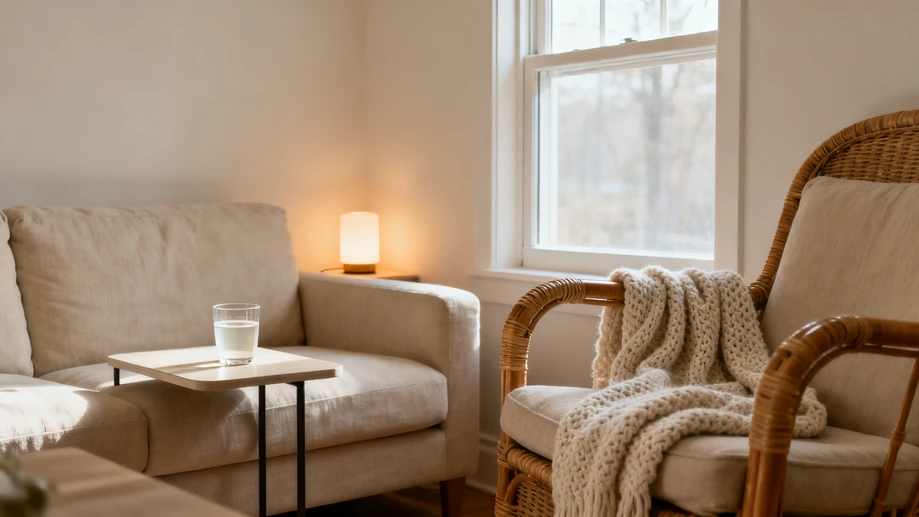
These adjustments are almost always tied to subtle sensory preferences that most people never even verbalize to others over decades of living on their own. A caregiver might notice that the care recipient squints every time they turn on the overhead kitchen light after 6 p.m., so they swap the harsh cool white bulb for a soft warm yellow one that casts no sharp shadows across the countertop. They might rearrange the shelves by the armchair so the person can grab their favorite water cup without stretching their shoulder too far, and tuck a small scrap of a well-loved old cotton blanket under the edge of the throw pillow so the familiar faint fabric scent stays nearby to ease moments of sudden disorientation. They might even turn the volume of the doorbell down just a little, after noticing that the loud sudden chime makes the person with mild mobility issues jolt hard enough to lose their balance when they are sitting unexpectedly.
Care industry surveys that track resident comfort levels have found that homes where these small sensory tweaks have been implemented report 32 percent fewer unplanned anxiety episodes, 27 percent fewer nighttime wake-ups from avoidable sensory disturbances, and a 40 percent higher reported satisfaction rate from both care recipients and their family members compared to households that strictly follow standardized care routines without any personal adjustments. Many caregivers who have worked in the field for more than five years say they first learned of the impact of these small changes by accident, when they made a random small adjustment to make their own work easier and noticed the person under their care calmed down visibly over the next few days.
The best part about these small comfort improvements is that none of them require large budgets, specialized equipment or extra official certifications. All they require is a caregiver who is willing to slow down, stop rushing to check every task off their daily list, and spend three or four days simply observing the small, unspoken reactions the person they are caring for has to different elements of their home environment. There is no universal list of correct adjustments, either; one person might hate the smell of scented cleaning products that another person associates with happy childhood memories, one person might prefer the curtains drawn all day long while another wants the maximum amount of natural sunlight possible even on overcast rainy days.
This shift toward prioritizing small personal sensory adjustments also reflects a broader, welcome change in how families select and work with live-in care providers. More and more families now say they do not immediately filter candidates based on the number of formal certificates they hold or the number of years they have worked in institutional care settings. Instead, they ask candidates to describe the small, unique adjustments they made for past care recipients that were not required by any official rulebook. This shift makes it clear that the true goal of live-in care is not to recreate the controlled, standardized environment of a care facility inside a private home, but to support the person receiving care to keep living their own familiar, independent life for as long as possible in the space they have called home for years.