
The Quiet Home Foot Care Habit That Cuts Senior Fall Risks Dramatically
This article unpacks an underrated, zero-cost home care routine for elderly household members that most casual family caregivers overlook, but which has been proven to reduce preventable home falls by a remarkable margin.
Most families that take on home care for aging relatives tend to fixate on high-profile tasks first, from tracking daily medication dosages to installing handrails along hallways, and from purchasing expensive vital sign monitors to adjusting meal plans for specific chronic conditions. Very few people stop to pay consistent, intentional attention to the feet of the elderly people they care for, even though public health data shows that nearly 22 percent of all preventable falls among adults aged 65 and older are directly tied to unaddressed foot discomfort, reduced sensory perception in lower extremities, or small unobserved injuries on the soles that alter walking posture. Many family caregivers only notice foot problems when a senior complains of sharp pain or cannot put on their shoes normally, which often means minor issues have already progressed far enough to raise fall risk significantly.
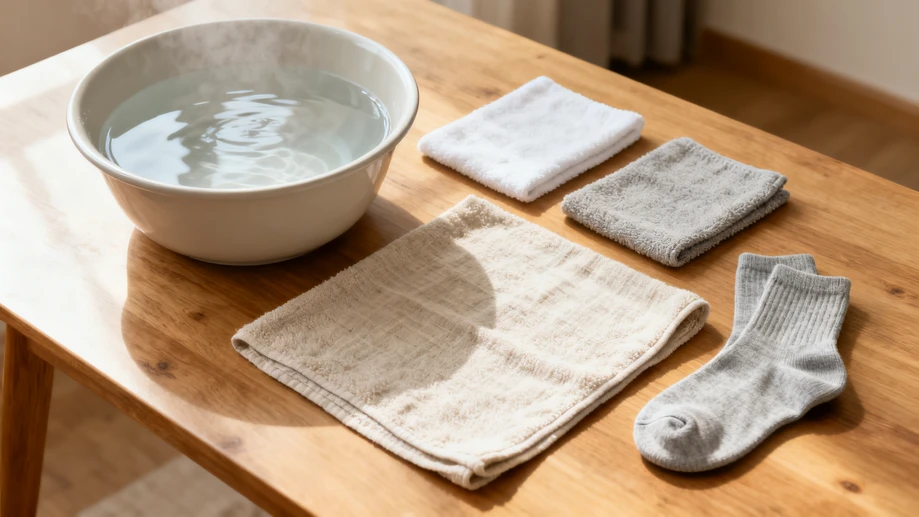
The specific small routine that has been gaining traction among home care researchers and experienced family caregivers takes no more than 15 minutes to complete per week, and requires no specialized medical training or expensive supplies. It starts with soaking the senior’s feet in 37 to 39 degree Celsius warm water for no more than five minutes, before patting them fully dry with a soft clean towel, then gently running three pieces of distinct, common household fabrics — plain cotton, lightweight linen, and smooth silk — across every section of the sole, from the heel to the tip of each toe, while asking the senior to state when they feel the touch and to identify which material they are feeling. Caregivers can also take the chance to check for tiny cracks on the skin, discolored toenails, red marks left by unnoticeably tight shoes, or early signs of ingrown toenails that the senior may not feel at all due to slowly progressing peripheral neuropathy, a common side effect of unmanaged blood sugar issues or age-related circulatory decline.
This weekly check catches early sensory loss an average of 21 days earlier than casual observation alone, a window of time long enough for family members to adjust the senior’s footwear, arrange a non-urgent primary care visit, or rearrange high-traffic floor areas that may pose hidden tripping risks. Many caregivers make the common mistake of buying extra-thick plush non-slip socks for seniors with reduced foot sensation, which actually blocks the remaining faint sensory feedback the person gets from the floor surface, making it harder for them to notice small uneven patches or tiny debris that could lead to a trip. The simple weekly touch test eliminates that risk by giving caregivers clear, actionable data about exactly how much sensory function the senior still has in their feet, so they can make informed choices about what types of socks and indoor footwear are the safest for their specific condition.
Long-term adherence to this tiny routine brings unexpected extra benefits far beyond fall prevention, according to a 2024 community home care study that tracked more than 1200 family households across different regions for 12 consecutive months. Households that completed the weekly 15-minute foot check consistently reported 62 percent fewer incidents of nocturnal leg cramps among their elderly members, as the mild warm water soak boosts lower extremity blood circulation and the regular gentle touch stimulation supports healthy nerve function. More than 70 percent of seniors in these households said they no longer woke up in the middle of the night due to unexplained tingling or numbness in their feet, and their overall self-reported sleep quality scores rose by an average of 28 percent over the course of six months. Even more notably, the study found that the rate of emergency room visits linked to unobserved foot ulcers or accidental foot injuries dropped by 38 percent in these households, a larger improvement than what many families reported after purchasing hundreds of dollars worth of smart home fall alert devices.
This small, low-effort home care habit is a perfect example of the principle that effective home care does not always require costly specialized equipment or professional medical support. Too many new family caregivers get overwhelmed by long checklists of recommended home care adjustments, and end up ignoring the small, daily, low-effort practices that deliver the most tangible, consistent quality of life improvements for the people they care for. Taking 15 minutes once a week to pay attention to a part of the body that most people rarely think about turns out to be one of the highest return on investment home care steps any family can take, with no downsides and no unnecessary added burden for either caregivers or the elderly people receiving care.