
A Simple Post-meal Care Habit Effectively Reduces Silent Digestive Risks for Bedridden Mobility-limited People Under Home Care
This zero-cost easy-to-implement daily care tip clarifies why you should never lay care recipients flat right after meals to cut reflux and accidental aspiration risks significantly
Most new family caregivers develop small unexamined habits as they settle into long-term care routines, and one of the most common unrecognized mistakes comes right after each meal. Many people who provide care for loved ones with limited mobility will lay their charge completely flat within five to ten minutes of the last bite, assuming the position will be more comfortable, or that it will make it easier to wipe down the face, change clothing, or adjust bed linens without extra struggle. What they do not realize is that this seemingly thoughtful small move can create hidden health threats that build up over weeks and months, even leading to unexpected hospital stays that could have been avoided entirely with a tiny adjustment.
When a person who cannot shift their own position independently is laid completely flat immediately after eating, the valve connecting their esophagus to the stomach does not have enough time to fully close, especially if they have mild swallowing difficulty, reduced muscle tone from age, or underlying chronic conditions that slow digestive movement. Undigested food particles and acidic gastric fluid can easily flow back up into the throat, and if even a tiny amount of that material slips into the airway instead of being swallowed back down, it can cause silent aspiration that does not trigger obvious coughing fits in the moment. Over repeated occurrences, those small inhaled food residues can cause persistent lung irritation, low grade fever, or even full blown pneumonia that requires long courses of treatment.
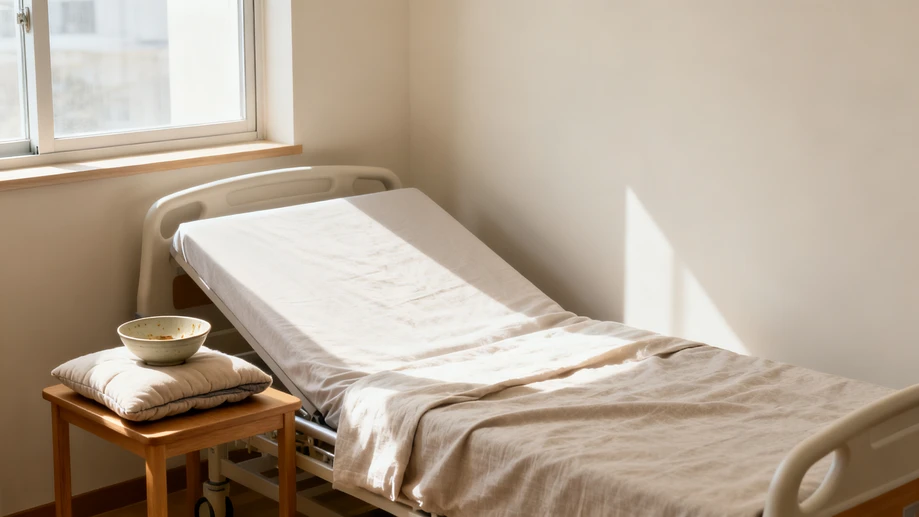
The correct adjustment takes almost no extra supplies or effort, and all it requires is keeping the upper body of the care recipient elevated at a 25 to 30 degree angle for a full 30 minutes after the last sip of drink or bite of food is finished. This position does not require specialized medical equipment, as you can stack folded cotton blankets, firm foam cushions behind the person’s back and shoulders to prop them up, or adjust the angle of an adjustable home care bed to the lowest incline setting if that is available. The slight upward tilt works with basic gravity to keep food contents in the lower stomach, giving the digestive tract the small window of time it needs to move the bulk of the recent meal through the upper digestive system without extra pressure against the loose esophageal valve.
Many caregivers stumble on common unnecessary mistakes when trying to follow this rule, the most frequent of which is stacking two thick high pillows only under the person’s head. This bad placement forces the neck to bend sharply forward against the chest, which narrows the airway, makes swallowing even harder, and can increase tension in the neck and shoulder muscles that leads to lingering discomfort after the meal. Instead, the entire upper half of the body from the base of the spine up to the top of the head should be supported at the same gentle incline, so the spine stays in a natural neutral position, no forced craning or folding occurs, and the person can breathe easily and even doze off a little without straining any part of their body. If you are worried about the person sliding down the slightly angled surface, you can place a small rolled up soft towel under their upper thighs to keep their weight anchored in the correct spot.
Over the long term, this tiny, zero-cost habit adds up to massive improvements in quality of life for the person receiving care, and cuts down a huge amount of unnecessary stress, medical bills and extra work for the caregiver. It is such a small adjustment that most people never think to ask about it in standard care guidance, but the difference in reduced reflux episodes, fewer upset stomach complaints, and zero preventable aspiration incidents makes it one of the highest impact small daily care tips anyone can integrate into their regular routine. You do not need advanced training or expensive supplies to pull it off, and once you get used to timing that 30 minute window after each meal, it will feel like a completely natural, unnoticeable part of your regular care workflow.