
The Hidden Power of Hand Massage in Elderly Caregiving
Discover how this simple technique reduces pain and sparks connection for seniors receiving in-home care services
When we consider compassionate care for elderly individuals, grand gestures often come to mind – but the most profound comforts frequently stem from the smallest acts. Among these, the gentle art of hand massage emerges as an unexpected powerhouse. Our hands serve as complex sensory terminals, containing over 17,000 touch receptors that directly connect to the brain's emotional centers. For seniors experiencing reduced mobility or isolation, this tactile connection transcends mere relaxation, tapping into fundamental human needs for comfort and presence. Caregivers who incorporate this technique report remarkable transformations during routine visits, observing how knotted fingers gradually unclench and anxious expressions soften beneath their touch.
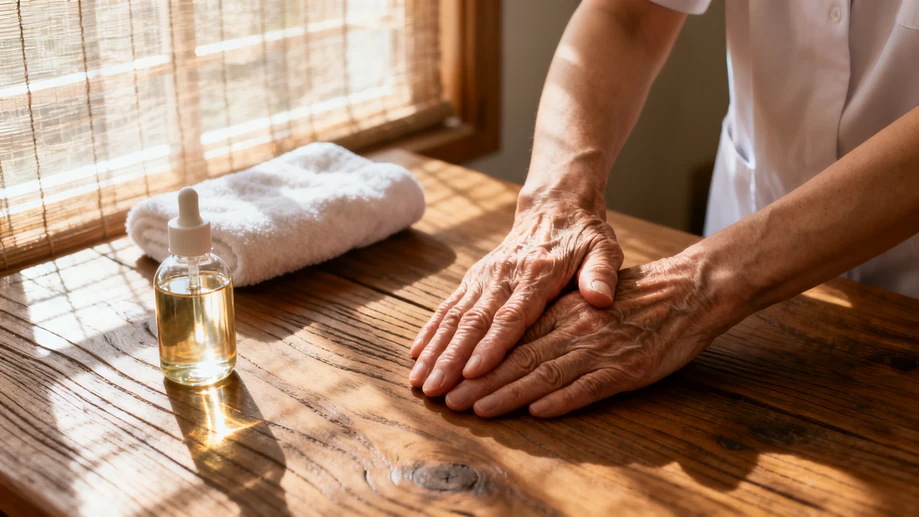
Beyond emotional benefits, scientific research illuminates concrete physiological advantages when practiced routinely. A structured hand massage protocol stimulates circulation, reducing swelling in arthritic joints by up to 40% according to geriatric studies. The rhythmic pressure activates the lymphatic system, subtly flushing toxins from tissues while warming stiffened fingers. Simple techniques prove most effective: using unscented lotion warmed between palms, apply firm but gentle strokes from fingertips toward wrists, paying special attention to webbing between joints. This method requires no expensive equipment, yet dramatically enhances seniors' ability to perform basic tasks like holding utensils or turning pages of a book, restoring dignity through regained independence.
Surprisingly, this practice creates reciprocal benefits extending beyond the recipient. Caregivers describe entering homes tense from demanding schedules only to find their own stress melting away during focused massage sessions. The concentrated attention creates meditative moments where both parties synchronize breathing patterns, establishing an unspoken rhythm that dissolves professional boundaries. One visiting nurse recounted how a nonverbal dementia patient began humming childhood melodies during their sessions, revealing preserved memories unlocked through touch. Such connections transform routine care into meaningful rituals that combat loneliness – a critical factor considering 43% of seniors report chronic isolation according to recent health surveys.
Despite its simplicity, mastery demands attuned observation. Seasoned caregivers learn to read subtle cues like temperature changes or tension patterns that indicate underlying conditions requiring medical attention. Cold, bluish fingertips may signal circulation issues, while unusual swelling could suggest medication side effects. Accordingly, professionals recommend documenting observations after each session, creating valuable health records that complement clinical data. Most importantly, caregivers must respect autonomy by always seeking consent through simple questions like "Shall we warm those hands today?" before initiating contact, preserving dignity throughout the process.
What begins as physical care often evolves into emotional nourishment. Families frequently notice curious shifts after consistent hand massage implementation – previously withdrawn relatives initiating conversations about old hobbies or forgotten skills requiring manual dexterity. These awakenings stem from renewed neural pathways activated through therapeutic touch, reminding seniors of their capabilities rather than limitations. As society grapples with elder care challenges, this accessible technique offers profound solutions: bridging isolation through human connection while addressing physical discomfort with scientifically validated methods. Perhaps true healing resides not in complex interventions, but in the mindful pressure of one caring hand cradling another.