
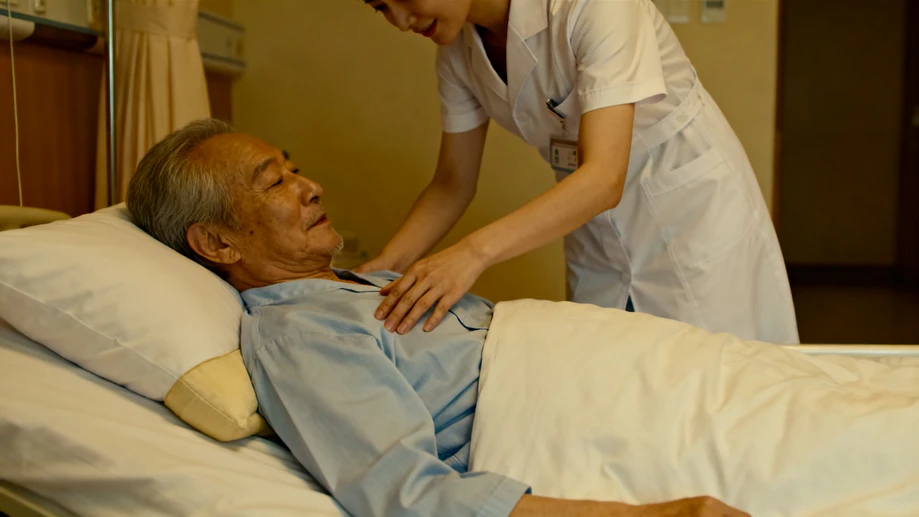
The Gentle Art of Turning: Mastering Bedridden Patient Care Techniques
Preventing bedsores through proper positioning and regular movement is a cornerstone of compassionate caregiving.
Every year, millions of individuals confined to beds or chairs face the silent threat of pressure ulcers, commonly known as bedsores. These painful, slow-healing wounds arise from sustained pressure that cuts off blood flow to vulnerable areas like the tailbone, heels, hips, and shoulder blades. While often unseen by the casual observer, the impact on a patient's comfort, health, and recovery is immense. Preventing these ulcers isn't just a medical directive; it's a fundamental act of attentive caregiving that preserves dignity and accelerates healing.
The science behind bedsores reveals why diligent turning is non-negotiable. When skin and underlying tissues are compressed between a bony prominence and a hard surface like a mattress or wheelchair for extended periods, oxygen and nutrient-rich blood cannot reach the cells. Deprived of this essential nourishment, the tissues begin to break down, initially showing as persistent redness that doesn't fade. This swiftly progresses to blisters, open sores, and in severe, untreated cases, deep craters exposing muscle or bone. Shockingly, this damage can begin in as little as two to three hours of immobility, making proactive care absolutely critical.
Successfully preventing this damage hinges on mastering the technique of regular repositioning and strategic support. The cornerstone is a consistent turning schedule, ideally every two hours, to shift pressure points entirely. When placing a patient on their side, the crucial 30-degree angle is key – lying completely flat on the side still puts excessive pressure on the hip bone. Carefully align the patient, gently rolling them, ensuring their spine stays straight without twisting. Supporting the new position effectively is next; place firm pillows strategically behind the back, between slightly bent knees and ankles, and under any arm not resting comfortably against the body. This meticulous support maintains the position and prevents rolling back or sliding into awkward pressure points.
However, technique must be coupled with sensitivity and safety. Avoid dragging the patient across the sheets, as this friction can sheer fragile skin. Instead, use a draw sheet or specialized repositioning aids to lift and move the patient smoothly. Always assess the skin thoroughly during each turn for early signs of redness, warmth, or discoloration, especially over bony areas. Communicate constantly with the patient, explaining each step, seeking their comfort feedback, and never moving an injured limb against resistance. Pay extra attention to individuals with fragile skin, limited sensation, or reduced body weight, as they are at heightened risk. Remember to inspect beneath medical tubing, braces, or splints too.
The profound impact of this simple, consistent practice cannot be overstated. Beyond preventing the physical agony and potential life-threatening infections associated with severe bedsores, regular repositioning improves circulation, reduces muscle stiffness, enhances lung function, and offers invaluable psychological comfort. Each mindful turn communicates to the patient that their well-being is paramount. It transforms passive care into an active partnership, significantly easing the journey towards recovery and preserving a profound sense of dignity amidst vulnerability.